A Beginner’s Guide to Custom Sheet Metal Fabrication

Sheet Metal Fabrication

Custom sheet metal fabrication is the backbone of modern manufacturing, powering industries from construction and food processing to pharmaceuticals and energy. It involves the cutting, bending, welding, and finishing of flat metal sheets into precise, durable components and products. Without it, everyday items such as appliances, machinery, storage tanks, and medical equipment would not exist in their current reliable forms.

For businesses, understanding how sheet metal fabrication works is essential to making informed decisions when choosing a fabrication partner. It provides clarity on project costs, lead times, and the durability of the end product. For students and professionals entering the industry, it provides a clear overview of the skills and processes required, giving them a strong foundation to build upon as they develop expertise in advanced techniques and specialised materials.

This beginner’s guide to custom sheet metal fabrication will walk you through the key stages, benefits, and applications of the process, highlighting why it remains such a critical element in today’s industrial landscape. Whether you are looking to commission a project or expand your knowledge, this guide will give you the insights you need.

What Is Sheet Metal Fabrication?

Sheet metal fabrication refers to the process of transforming sheet metal into functional parts, assemblies, or finished products through a combination of mechanical and manual techniques. Unlike simple metal cutting or forming, fabrication involves multiple processes that are carefully integrated to produce a final outcome that meets strict specifications.

Unlike mass production, custom sheet metal fabrication focuses on tailored solutions that meet the unique requirements of clients. This means that every project is designed to match the exact needs of an industry, whether it’s the thickness of a tank wall, the shape of a ventilation duct, or the hygienic surface of a food-grade vessel. This high degree of customisation ensures optimal performance and long-term reliability.

The most commonly used materials include:

    • Stainless steel – prized for its corrosion resistance and hygienic properties, making it indispensable in food, beverage, and pharmaceutical applications.
    • Aluminium – lightweight, durable, and highly workable, ideal for industries where reduced weight improves efficiency, such as transportation and aerospace.
    • Carbon steel – strong and cost-effective for structural applications, widely used in construction and heavy machinery.
    • Copper and brass – valued for conductivity, ductility, and aesthetic finishes, making them essential for electrical, decorative, and architectural uses.

Each metal is chosen based on its mechanical properties, cost-effectiveness, and suitability for the intended application. This selection process is critical to ensure both efficiency and compliance with industry standards.

1. Design and Planning

Every project begins with design development, typically using Computer-Aided Design (CAD) software. CAD ensures accuracy in dimensions, tolerances, and specifications while allowing engineers and clients to collaborate on functionality and compliance with industry requirements. Advanced software simulations can also predict how metals will behave under stress, heat, and pressure, providing valuable insights before production begins.

Design is often followed by prototyping, where a small-scale model or digital simulation is created to test feasibility before moving into full production. Prototyping helps reduce costly errors, ensures that the final design meets both safety and performance standards, and provides an opportunity to fine-tune features for efficiency. By investing time in the design and planning stage, businesses can save significant costs and avoid production delays down the line.

2. Cutting

The next step involves cutting sheet metal into the required shapes. Precision is crucial to avoid material waste and ensure accuracy, especially when working with costly metals such as stainless steel. A clean cut provides the foundation for the rest of the fabrication process, as errors here can affect all subsequent stages.

Common methods include:

    • Laser cutting – highly accurate, capable of producing intricate designs and complex patterns with minimal material wastage.
    • Plasma cutting – effective for thicker materials where speed and efficiency are needed.
    • Waterjet cutting – ideal when working with heat-sensitive materials, as it uses water and abrasives instead of heat.
    • Shearing – cost-effective for straight cuts on thinner sheets.

Modern fabrication shops often rely on CNC (Computer Numerical Control) machines to automate these processes, ensuring consistent results with minimal human error. Automation also increases productivity, enabling businesses to handle large-scale projects more efficiently.

3. Forming and Bending

Once cut, sheets are shaped into their required forms. This step transforms a flat material into a usable component, which may include anything from a tank wall to an automotive panel. Forming requires precision and an understanding of material behaviour to prevent cracks, warping, or other defects.

This is achieved through:

    • Press brakes to create precise bends in various angles.
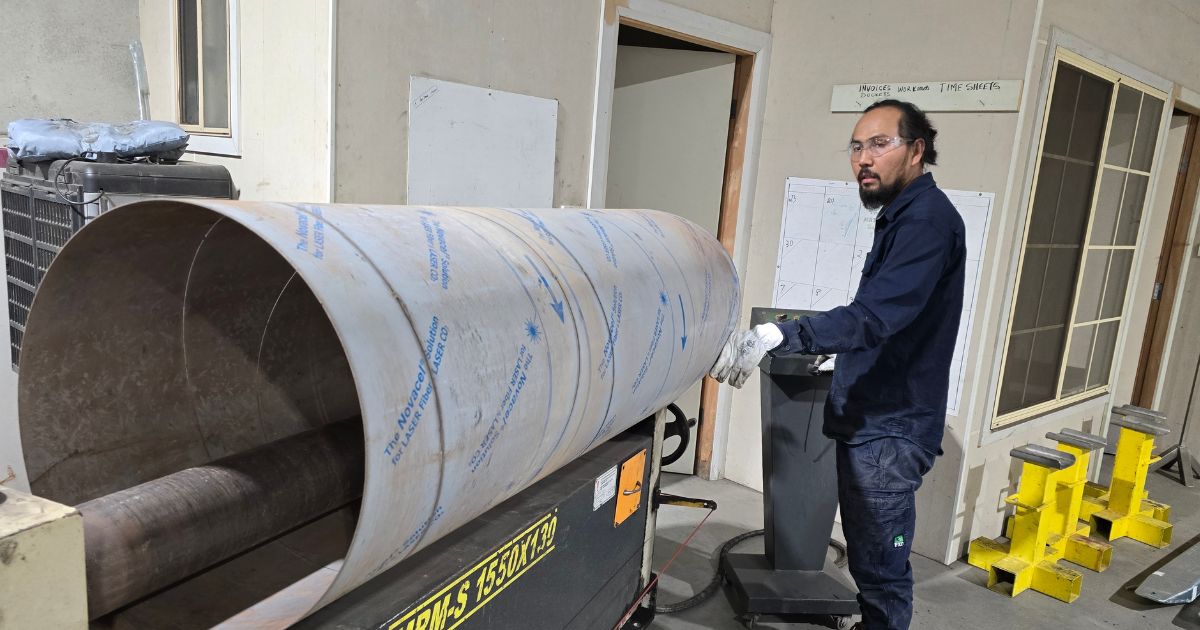
    • Rolling machines for cylindrical or rounded shapes, commonly used in tanks, pipes, and silos.
    • Stamping and punching for detailed features such as holes, notches, or embossing.

Forming requires careful control to avoid weakening the metal while achieving the desired geometry. For example, bending stainless steel requires specific force calculations to ensure the strength and integrity of the final product are not compromised. This stage demands both technical knowledge and state-of-the-art equipment.

4. Welding and Assembly

The formed parts are then joined together through assembly and welding. This is one of the most critical steps, as it ensures the fabricated pieces become a single, durable structure that can withstand operational stresses.

Different welding techniques may be applied depending on the material and intended use, such as:

    • MIG (Metal Inert Gas) welding – efficient and versatile, often used for thicker materials.
    • TIG (Tungsten Inert Gas) welding – precise and ideal for stainless steel and aluminium, producing clean and strong welds.
    • Spot welding – common for thin sheets in automotive and industrial applications.

In addition to welding, other methods such as riveting, bolting, and fastener installation may be used to complete assemblies. The choice of joining method depends on the structural requirements, industry standards, and the environment where the finished product will be used. This stage is about balancing strength, precision, and efficiency.

5. Finishing

Finishing is where both function and aesthetics are enhanced, giving the fabricated product its final look and protective qualities. Finishing not only improves the appearance but also enhances resistance to corrosion, wear, and other environmental factors.

Common finishing processes include:

    • Powder coating and painting – providing durable protective and decorative finishes that improve longevity.
    • Galvanising – adding a zinc coating to improve corrosion resistance, commonly used in outdoor or harsh environments.
    • Polishing and brushing – for hygienic or visually appealing surfaces, particularly in food-grade and pharmaceutical applications.
    • Anodising (for aluminium) – improving surface hardness, colour, and resistance to corrosion.

In industries such as food and beverage or pharmaceuticals, finishing ensures surfaces remain smooth, hygienic, and easy to clean. It also prevents the growth of bacteria and meets compliance requirements for safety and quality. In other industries, such as construction, finishing improves durability and extends the life span of products exposed to varying weather conditions.

6. Inspection and Quality Control

Before delivery, every fabricated product undergoes rigorous inspection and testing. This step is essential for maintaining trust with clients and ensuring compliance with strict industry standards.

Inspection focuses on:

    • Dimensional accuracy against original CAD specifications.
    • Strength and load-bearing capacity to ensure safety.
    • Surface finish quality to guarantee hygiene and aesthetics.
    • Compliance with client specifications, certifications, and legal requirements.

Quality control is critical for preventing costly failures and protecting end users. A well-established fabrication company integrates quality management systems throughout the entire process, not just at the end, ensuring consistent excellence in every project delivered.

Advantages of Custom Sheet Metal Fabrication

Custom sheet metal fabrication offers a wide range of benefits, making it the preferred choice for many businesses. By focusing on precision and tailored solutions, it ensures that clients receive exactly what they need rather than settling for generic, off-the-shelf products.

Some of the main advantages include:

    • Precision and accuracy – CAD-driven designs and CNC machining ensure reliable results that meet the tightest tolerances.
    • Flexibility in design – customised solutions are tailored to unique requirements, supporting innovation and problem-solving.
    • Durability and performance – fabricated products are built to withstand demanding industrial conditions, offering long-term reliability.
    • Compliance and hygiene – critical in industries such as food, healthcare, and pharmaceuticals where strict standards apply.
    • Cost-effectiveness – while initial costs may be higher, custom fabrication reduces long-term expenses through lower maintenance and longer service life.

For businesses, these benefits translate into better productivity, improved safety, and stronger competitiveness in the market.

Applications Across Industries

Sheet metal fabrication is applied in nearly every major industry, showcasing its adaptability and importance. The versatility of metals and fabrication techniques allows products to meet both large-scale industrial needs and specialised custom applications.

Some key examples include:

    • Food and beverages: processing equipment, storage tanks, and conveyors, all designed to meet hygiene and durability standards.
    • Pharmaceuticals and medical: sterile vessels, cleanroom components, and medical devices requiring the highest levels of precision and cleanliness.
    • Construction and infrastructure: roofing, cladding, ductwork, and structural components that ensure safety and functionality in building projects.
    • Energy and power: turbines, pipelines, boilers, and heat exchangers that support critical energy production and distribution.
    • Automotive and transport: vehicle frames, body panels, brackets, and enclosures that prioritise strength and efficiency.

These examples highlight how integral sheet metal fabrication is to both everyday life and advanced industry operations.

This beginner’s guide to custom sheet metal fabrication highlights the complexity, precision, and value of the process. From initial design to finishing and inspection, each stage plays a critical role in producing durable, high-quality components for diverse industries. The expertise involved ensures that businesses across multiple sectors benefit from strong, reliable, and hygienic products that meet strict standards.

At Topweld General Engineering, we specialise in delivering tailored sheet metal fabrication solutions that combine technical expertise, advanced equipment, and strict quality control. Whether your project is large-scale industrial or highly specialised, our team ensures every product meets the highest standards of performance and reliability. By partnering with us, you gain a fabrication partner dedicated to precision, compliance, and innovation.
Advantages of using stainless steel for metal fabrication

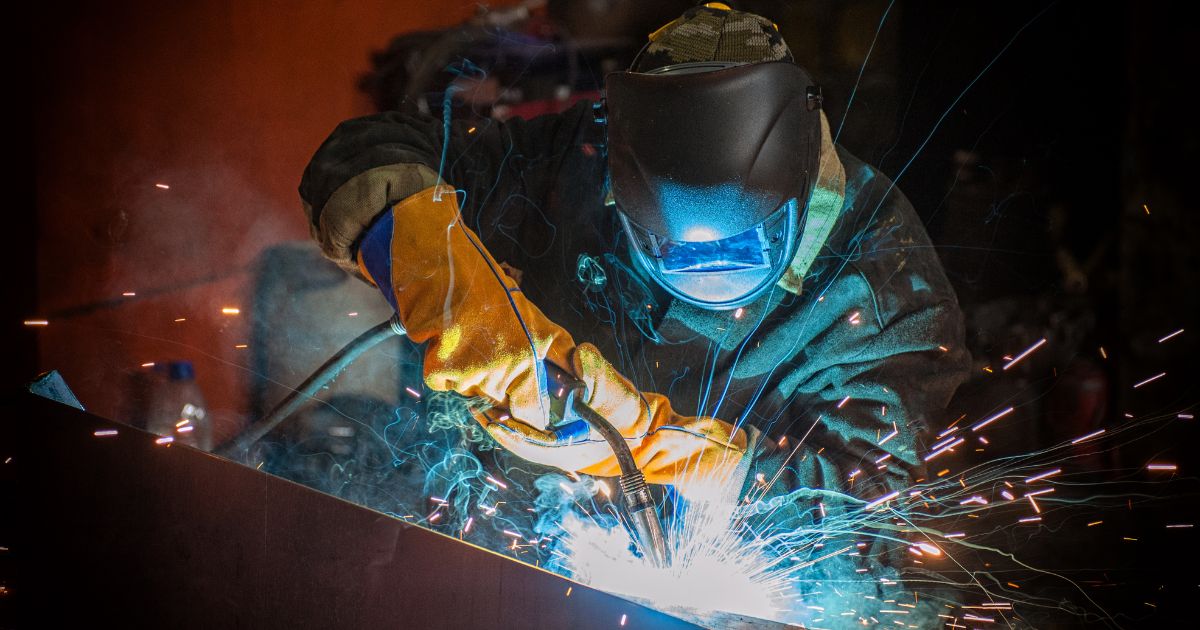
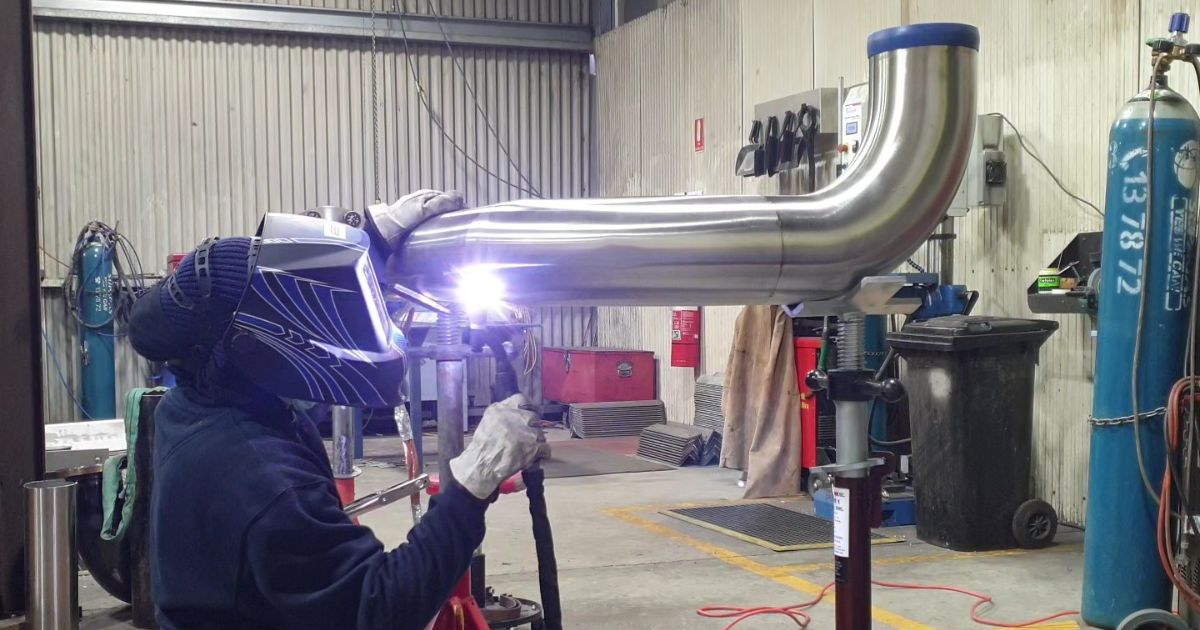
A topweld welder performing stainless steel pipeline system fabrication

Stainless steel is one of the most widely chosen materials for metal fabrication because it combines performance, longevity and aesthetic appeal. For fabricators and end users alike, the advantages of using stainless steel for metal fabrication go beyond a single benefit — they span durability, corrosion resistance, hygienic properties, ease of finishing and strong lifecycle value. This article explains those advantages in detail and helps clients understand when stainless steel is the right choice for their project.

1. Strength and long-term durability

Stainless steel offers excellent mechanical strength for its weight, giving fabricated parts high load capacity and resistance to wear. In practical terms this means frames, supports, tanks and structural components typically withstand heavy use and mechanical stress with minimal deformation. For clients, that translates to fewer replacements and lower lifecycle disruption — a critical consideration for industrial installations where downtime is costly.

2.Outstanding corrosion resistance

A defining feature of stainless steel is its natural ability to resist corrosion. A thin, self-repairing oxide layer forms on the metal surface, protecting the underlying material from rust and environmental attack. This passive layer explains why stainless steel performs reliably in wet, coastal or chemically aggressive environments. Choosing stainless steel reduces the need for frequent protective coatings and delivers longer service life in exposed applications.

3. Hygienic properties for food, pharma and healthcare

Stainless steel’s smooth, non-porous surface makes it inherently hygienic and easy to clean — ideal for food processing, beverage, pharmaceutical and medical equipment. It does not harbour bacteria in the way some porous materials can, and it withstands repeated wash-downs, sanitisation and chemical cleaners without degrading. For businesses with strict hygiene requirements, stainless steel simplifies compliance and helps maintain product safety.

4. Low maintenance and cost-effectiveness over time

While stainless steel may have a higher initial material cost compared with some alternatives, its low maintenance requirements quickly offset that difference. The minimal need for painting, re-coating or complex corrosion control reduces ongoing operating expenses. When total cost of ownership is calculated — factoring maintenance, replacement cycles and downtime — stainless steel often represents a more economical long-term solution.

5. Aesthetic versatility and finish options

Stainless steel is available in a wide range of surface finishes, from mirror polish to brushed or textured looks, allowing fabricated products to meet both functional and aesthetic briefs. The material ages gracefully and retains a professional appearance with basic care. This versatility makes it popular for architectural features, commercial fit-outs, visible plantroom equipment and consumer-facing products.

6. Fabrication flexibility — form, join and machine with confidence

Modern fabrication shops can cut, press, bend, machine and weld stainless steel reliably. It is adaptable to complex geometries and precise tolerances, enabling one-off bespoke builds as well as repeatable production runs. Weldability and compatibility with standard fabrication techniques let fabricators create strong, accurate assemblies while controlling distortion and ensuring dimensional integrity.

7. Thermal and chemical resistance where required

Stainless steel tolerates a wide temperature range and resists many chemicals, making it suitable for process plant, boilers, heat exchangers and specialised industrial equipment. Its stability under heat and resistance to chemical attack expand the range of working environments where stainless steel can be confidently specified.

8. Sustainability and recyclability

Stainless steel is highly recyclable — recovered stainless scrap can be remelted and reused without significant loss of properties. This recyclability, combined with longevity, reduces the environmental footprint of fabricated items. For businesses pursuing sustainability goals, stainless steel supports circular economy credentials and can contribute positively to procurement and reporting objectives.

8. Long-term value and return on investment (ROI)

Because stainless steel products last longer, require less upkeep and retain value over time, they often deliver better ROI than cheaper alternatives. For critical assets — such as processing equipment, structural elements or public-facing installations — investing in stainless steel reduces lifecycle risk and offers predictable performance that supports operational planning.

9. Typical applications and industries

Stainless steel is used across many sectors because of its broad advantage set. Common applications include food and beverage processing equipment, dairy and abattoir fittings, chemical and water treatment plant, architectural and balustrade work, tanks and vessels, and bespoke commercial joinery. If your project requires hygiene, durability or exposure resistance, stainless steel is usually a strong candidate.

Choosing stainless steel — what to consider

When specifying stainless steel for fabrication, consider the environment (corrosive, coastal, chemical exposure), required surface finish, structural loads, welding and forming needs, and lifecycle expectations. Work with your fabricator to define finish requirements, tolerances and maintenance regimes so the final product meets operational and aesthetic goals without over-specifying materials or processes.

The advantages of using stainless steel for metal fabrication are compelling: durable performance, excellent corrosion resistance, hygienic surfaces, attractive finishes, fabrication flexibility and strong sustainability credentials. While initial costs may be higher than some alternatives, the material’s lifecycle benefits and reduced maintenance burden make it a smart investment for many industrial and commercial projects. For advice on whether stainless steel is right for your next fabrication project, contact Topweld General Engineering — we’ll help you select the optimal solution and deliver it to exacting quality and service standards.

Misconceptions about custom metal fabrication companies

Common misconceptions about mental fabrication

In custom metal fabrication, each project follows a clear set of stages that transform a concept into a finished, functional product. These stages are critical in ensuring the outcome is precise, durable, and compliant with Australian standards. Whether it’s a stainless steel tank for food processing, a structural steel frame, or a pressure vessel, the process involves careful planning, fabrication expertise, and rigorous testing. Broadly speaking, the stages include design and drawing review, fabrication and welding, finishing, and installation — each with its own requirements and compliance measures. Let’s take a closer look.

Misconception 1: All Fabrication Companies Are the Same

A common misconception is that every fabrication company offers the same services and delivers the same quality. In truth, no two shops are alike. Some specialise in structural steel, while others focus on stainless steel tanks, food-grade equipment, or pressure vessels.

Topweld, for example, provides a wide range of services — from design and engineering through to fabrication, welding, installation, and ongoing maintenance. Our capabilities cover multiple industries including food and beverage, abattoirs, energy, and pharmaceuticals. What sets us apart is not only our expertise but also our commitment to national safety standards and compliance requirements, ensuring every project is delivered to the highest benchmark.

Misconception 2: Fabrication Is Just Cutting and Welding

Many people think fabrication simply involves cutting metal and welding it together. While those processes are essential, they represent only part of the picture. Custom fabrication involves:

    • Design review and engineering to ensure functionality and safety.
    • Material selection based on strength, durability, and environmental factors.
    • Forming, machining, and assembly using specialised equipment.
    • Surface finishing like polishing, galvanising, or coating.
    • Quality assurance and testing before delivery.

Each step requires skilled tradespeople, advanced equipment, and careful oversight. This structured approach guarantees not only durability of the finished product but also compliance with Australian safety regulations.

Misconception 3: Compliance Is Optional

Another misconception is that compliance with regulations is optional or only relevant to large projects. In reality, compliance is mandatory, regardless of project size. Australian guidelines and safety regulations exist to protect workers, clients, and end users.

Non-compliance can lead to safety hazards, costly rework, and even legal consequences. At Topweld, compliance is built into every stage — from drafting project specifications to final testing and certification. Clients can have peace of mind knowing their project is completed to the highest professional standards.

Misconception 4: Custom Fabrication Is Always Expensive

While custom fabrication can sometimes cost more than off-the-shelf products, it often provides better long-term value. Custom solutions are tailored to exact specifications, which means they fit seamlessly, perform better, and last longer. This reduces downtime, maintenance costs, and premature replacement.

Topweld also works closely with clients to find cost-effective solutions without compromising quality. By optimising material use, reducing waste, and streamlining processes, we deliver projects that are both budget-conscious and compliant.

Misconception 5: Projects Can Be Completed Overnight

Fabrication projects are often perceived as quick jobs, but in reality, the timeline depends on the complexity of the design, compliance requirements, and finishing processes. Rushing through fabrication increases the risk of defects, failed inspections, and costly delays later.

At Topweld, timelines are set based on realistic assessments of the scope of work, ensuring projects are delivered on time and to the highest standard. Our structured workflow — from design to testing — is designed to meet client deadlines while maintaining quality and compliance.

Custom metal fabrication is far more than simply cutting and welding steel. It is a structured, compliance-driven process that combines engineering, craftsmanship, and industry expertise. By debunking these common misconceptions, clients can better appreciate the value of working with a professional fabrication company.

At Topweld General Engineering, we pride ourselves on delivering precision-engineered solutions that meet both client needs and Australian regulations. Whether you need a custom stainless steel tank, a structural steel framework, or ongoing industrial maintenance, we’re here to provide reliable, compliant, and cost-effective results.

Stages of custom metal fabrication project

Custom metal fabrication for abattoir overhead rail systems with hooks and hangers

Stages of a Custom Metal Fabrication Project in Australia

In custom metal fabrication, each project follows a clear set of stages that transform a concept into a finished, functional product. These stages are critical in ensuring the outcome is precise, durable, and compliant with Australian standards. Whether it’s a stainless steel tank for food processing, a structural steel frame, or a pressure vessel, the process involves careful planning, fabrication expertise, and rigorous testing. Broadly speaking, the stages include design and drawing review, fabrication and welding, finishing, and installation — each with its own requirements and compliance measures. Let’s take a closer look.

1. Drawing and Design Review

The first stage of any fabrication project is the review of drawings and specifications. Drawings serve as the blueprint for the entire job, detailing every component, dimension, and joint. They are usually created using CAD or 3D modelling software, which allows for highly accurate designs that can be reviewed and adjusted before fabrication begins.

During the review, fabricators confirm that designs meet project requirements and comply with relevant standards such as AS/NZS 5131 for structural steel or AS/NZS 1554 for welding. The review may also involve checking materials, load requirements, and whether hygiene standards (such as for food and beverage applications) must be met. Multiple drawings may exist — one for component parts, another for assemblies, and a final set for the completed structure. Each document must be checked and approved before the project can move forward.

2. Fabrication and Welding

Once designs are approved, the project moves to the fabrication floor. This is where raw materials are cut, formed, machined, and prepared for assembly. Common processes include cutting, punching, shearing, bending, and machining, each chosen based on the type of metal and end use of the product. Stainless steel, mild steel, aluminium, and other alloys are used depending on the industry and project scope.

Welding is a central part of this stage. Different methods — MIG, TIG, or stick welding — may be employed, and all work must comply with AS/NZS 1554. Welders are qualified under Australian standards to ensure structural integrity and safety. Compliance with Safe Work Australia’s Code of Practice for Welding Processes also ensures that worker health and safety risks are properly managed.

The fabrication shop is often a diverse workspace where various processes take place under one roof. Having all these services in-house means the project can be carried out more efficiently, with fewer delays and greater control over quality.

3. Assembly and Finishing

Once the individual components have been fabricated, they are assembled into the final product. Assembly may involve multiple joining techniques, including different welding processes, fastening systems, or riveting. Precision is crucial here to ensure that the product meets its functional requirements and dimensional tolerances.

After assembly, finishing processes are applied. Depending on the project, this may involve polishing or electropolishing for stainless steel used in hygienic industries, galvanising for corrosion protection, or powder coating and painting for durability and aesthetics. Surface finishing also ensures compliance with industry-specific regulations, such as hygiene standards in food processing. Each finish is applied with both performance and appearance in mind, providing a complete solution ready for use.

4. Delivery, Installation, and Maintenance

The final stage of a custom metal fabrication project involves delivery and installation. Proper handling, lifting, and positioning are essential to maintain the integrity of the fabricated product. On-site installation must comply with Safe Work Australia regulations and site-specific safety requirements. This may include anchoring, alignment, and integration with existing systems.

In some cases, additional value-added services such as packaging and protective crating are provided, especially when equipment is being transported long distances or exported. Ensuring safe delivery and installation reduces downtime and adds value to the client’s investment.

Ongoing maintenance is also an important consideration. Regular inspections, cleaning, and servicing extend the lifespan of the product and ensure continued compliance with Australian standards. At Topweld, we provide both installation and long-term maintenance support to help clients get the most from their fabricated systems.

The stages of a custom metal fabrication project — from design review through fabrication, assembly, finishing, and installation — ensure that every detail is carefully managed. Each stage builds on the last, delivering a final product that is not only functional and durable but also compliant with the strict standards required in Australia.

At Topweld General Engineering, we provide end-to-end custom fabrication services under one roof, backed by skilled professionals and industry expertise. Whether you need structural steel, stainless tanks, or specialised equipment, our team ensures precision, compliance, and long-lasting performance.

Stages of Custom Metal Fabrication Projects: 4 Essential Steps

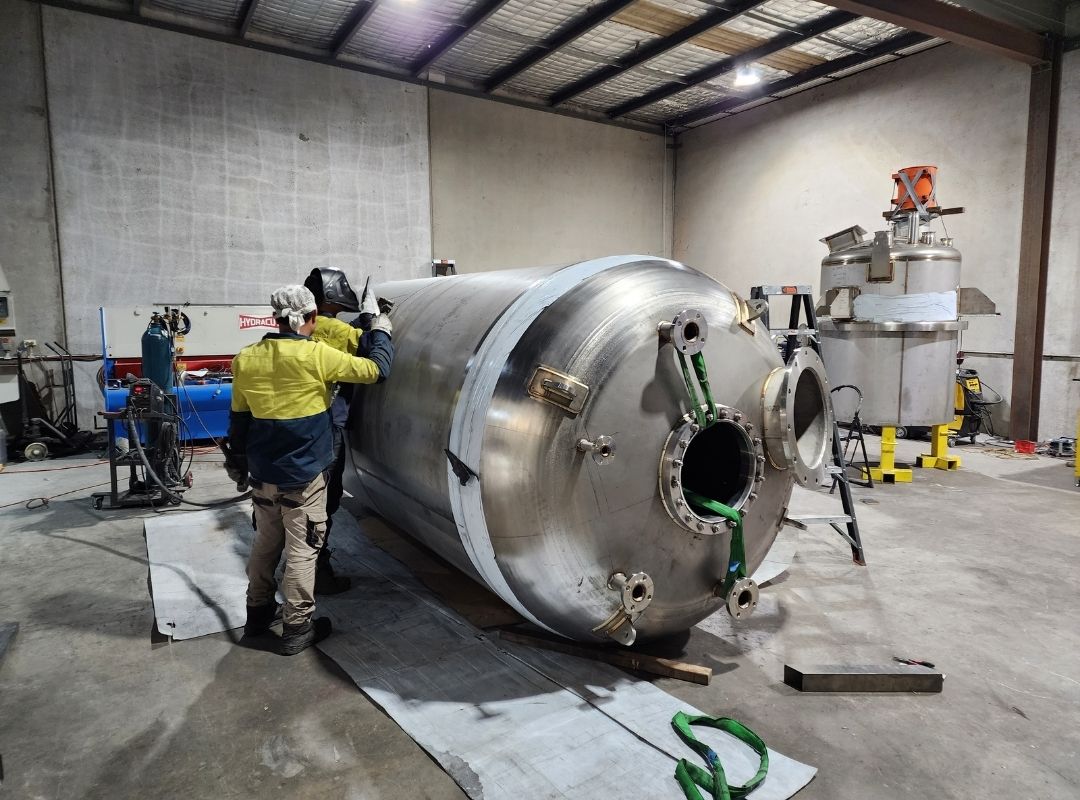
Custom Tank Fabrication at Topweld General Enginnering Pty Ltd

From Concept to Creation: The Metal Fabrication Journey with Topweld General Engineering

Bringing a custom metal fabrication project to life requires a structured approach, meticulous planning, and precise execution. For businesses seeking tailored solutions, understanding the fundamental stages involved is key. At Topweld General Engineering, we observe these core steps in every project, ensuring quality and efficiency from start to finish.

Let’s explore the essential stages that define a successful custom metal fabrication project:

1. Design Review & Planning
2. Prevision Fabrication
3. Assembly & Finishing
4. Quality Assurance & Dispatch 

1. Design Review & Planning

Often underestimated, the meticulous review of project drawings is paramount for successful fabrication. These drawings, the “blueprint” from design engineers, guide every aspect of the build. The purpose of this stage is to detail precisely how each component will be made, assembled, and ultimately form the completed product.

Advanced CAD software is commonly leveraged for unparalleled accuracy and complexity in design. This powerful tool provides detailed graphical descriptions, precise measurements, and helps document design iterations. All documentation – from individual component parts to sub-assemblies and final product assembly drawings – must be thoroughly reviewed and approved before moving to the fabrication stage.

2. Precision Fabrication

This stage brings designs to life through a diverse range of processes. A well-equipped fabrication facility houses state-of-the-art machinery and tools for:

Cutting: Utilizing various cutting techniques.Punching & Shearing: For precise material preparation.

Forming & Bending: Shaping raw metal to exact specifications.

Welding: Employing various methods to join components securely.

Custom fabrication projects work with a wide range of metals and their alloys, such as stainless steel, carbon steel, aluminium, copper, and brass. Processes are adapted to suit the material and desired end product, ensuring exceptional results whether for a unique piece or a production run.

3. Assembly & Finishing

Once individual metal components are expertly fabricated, they move to assembly and finishing. Here, parts are precisely fitted together using a variety of techniques. Assembly can involve:

Diverse Welding Methods: Ensuring strong and reliable joins.

Fastening Operations: Including PEM-setting, weld nut fastening, stud welding, or automated pneumatic riveting.

After assembly, products receive final touches before dispatch. This may include applying protective layers like rust-resistant paint or powder coating, specific color finishes, glazes, or surface treatments such as brushing, polishing, and shining. Decals or insulators may also be applied.

4. Quality Assurance & Dispatch

Beyond core manufacturing, ensuring completed products are properly packaged and shipped is crucial. Comprehensive Quality Assurance (QA) is vital to ensure every item meets the highest standards before it leaves a facility.

For packaging and shipping, especially for larger or export items, products often require custom crating, skids, pallets, and other wood packaging materials. Critically, all wood packaging used must adhere strictly to Australian biosecurity import conditions, which are compliant with international protocols like IPPC (International Plant Protection Convention) and are ISPM-15 certified (International Standards for Phytosanitary Measures, No. 15 regulations). This ensures secure transit and timely delivery, guaranteeing satisfaction upon arrival.

Ready to start your custom metal fabrication project?

To discuss your specific needs or learn more about our comprehensive services, contact Topweld General Engineering Pty Ltd today. Our team is ready to collaborate and bring your vision to life.