Guide to Structural Steel Fabrication: FAQs & Benefits

Structural Beams for Constructions

For any significant commercial or industrial construction endeavor, the expertise of structural steel fabricators is indispensable. This specialized field is the bedrock of robust infrastructure across every Australian industry. Unlike conventional construction materials such as concrete, timber, or aluminum, structural steel boasts an unparalleled strength-to-density ratio, making it the material of choice for demanding manufacturing, construction, and component applications. At Topweld General Engineering, we don’t just supply steel; we meticulously transform raw metal into the precise forms your vision requires.

Our team of seasoned steel fabrication specialists is often asked a range of questions about their craft. Here, they share their insights:

Definition of Structural Steel

At its core, structural steel is the specific grade of steel engineered for the skeletal frameworks of bridges, office complexes, warehouses, healthcare facilities, and a myriad of other critical structures. Its suitability hinges on possessing exact mechanical properties—including tensile strength, chemical composition, and precise shape—to align with project specifications. The fundamental elements of structural steel, like all steel variants, are iron and carbon. Additional components such as manganese, various alloys, and specific chemical agents are often incorporated to fine-tune its characteristics.

Its carbon content classifies it as a mild steel, yet this specific composition is what sets structural steel apart. Typically, the carbon concentration ranges between 0.15% and 0.30%. Exceeding this range can yield a material with exceptional strength but compromised ductility, while insufficient carbon reduces its structural integrity. The intended application of the steel dictates the optimal carbon level required.

The Art of Structural Steel Fabrication

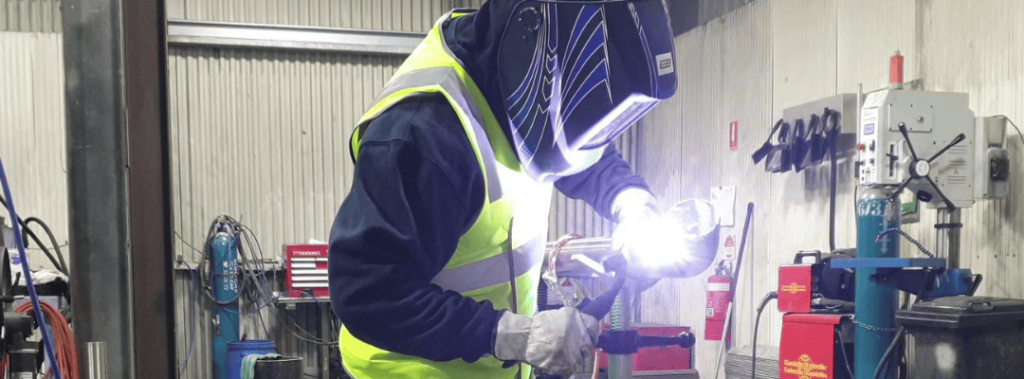
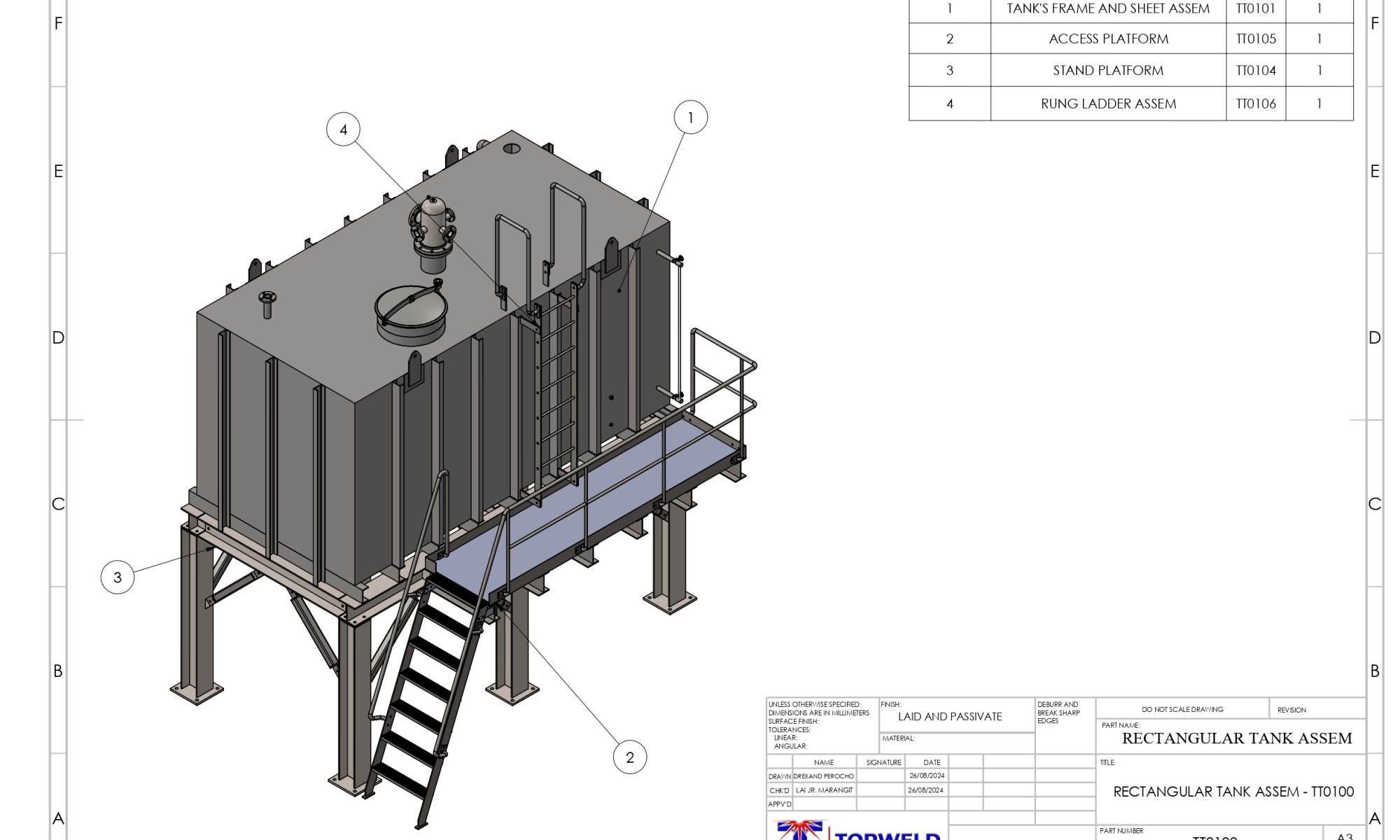
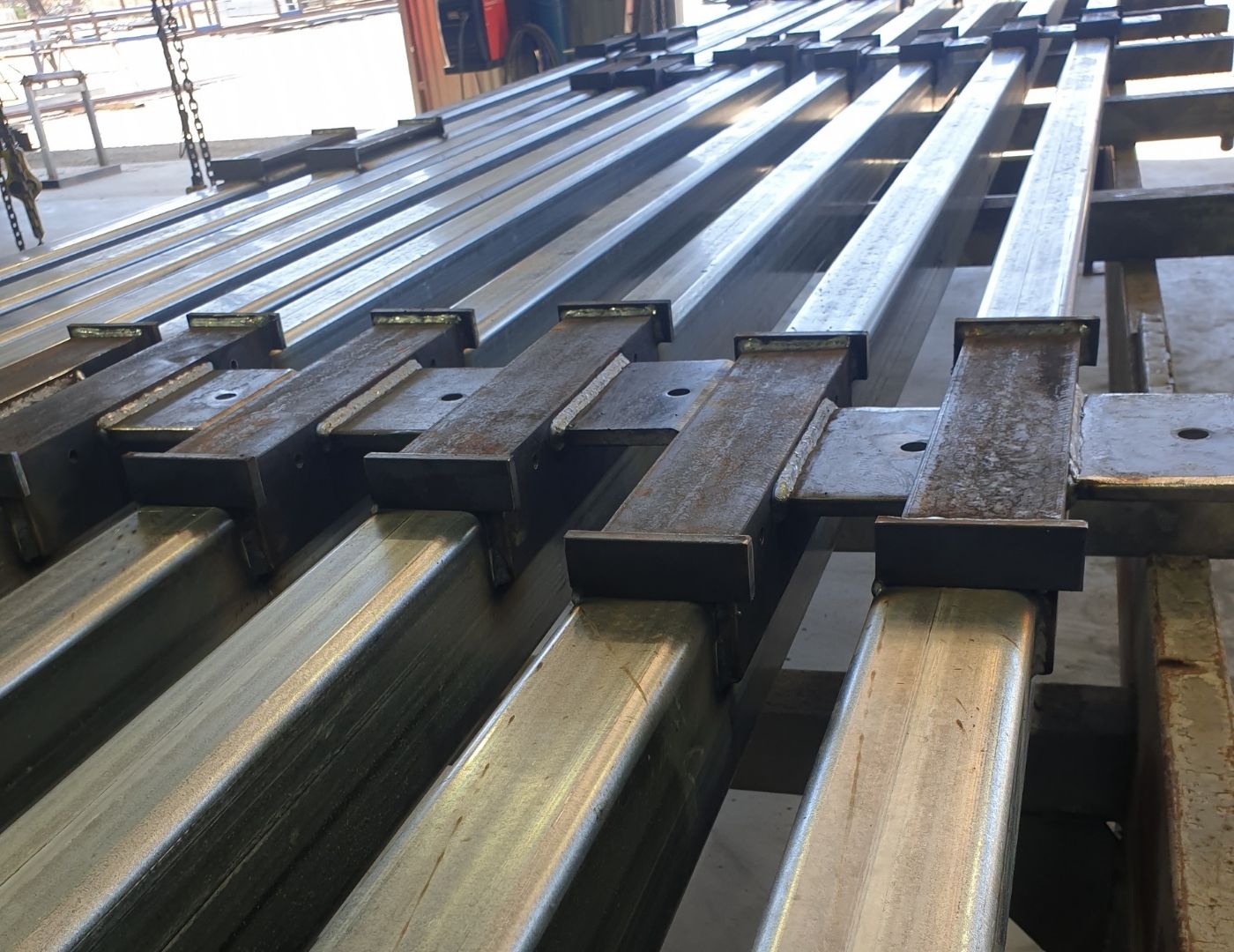
Structural steel fabrication is a sophisticated discipline, far surpassing the mere production of steel sections. It encompasses an intricate sequence of processes culminating in the assembly of a complete structure. Beyond the fundamental operations of cutting, bending, and joining components, our structural steel fabricators undertake the detailed preparation of the steel for its eventual role in a building or bridge. This involves translating architectural and engineering blueprints into highly detailed workshop drawings, selecting and managing the optimal materials, and executing precise procedures such as cutting, drilling, meticulous shop-fitting (including bolting and welding), and applying protective coatings like paint or galvanizing, all before coordinating for delivery and installation.

The Enduring Advantages of Structural Steel

Structural steel offers a compelling array of benefits for fabrication projects. Foremost among these are its superior mechanical properties: it is renowned for its exceptional durability, inherent corrosion resistance, high strength, tensile integrity, and relatively lightweight profile compared to its strength. Its remarkable adaptability and flexibility allow it to be precisely shaped, cut, and welded into virtually any form required by design.

Economically, mild and carbon steels often present a more cost-effective solution than alternative metals such as copper, aluminum, or magnesium used in construction. Beyond cost, structural steel is engineered for longevity. It withstands demanding conditions, performs robustly against severe weather, and can be engineered to resist seismic activity. Applied coatings can further enhance its fire and water resistance. Finally, its high recyclability underscores its position as an environmentally conscious building material, aligning perfectly with Australia’s commitment to sustainable construction practices.
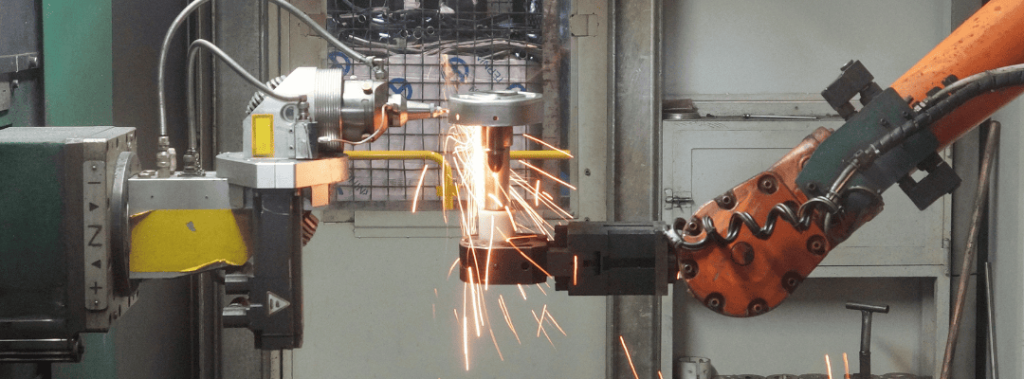
Robotic vs Manual Welding: Choosing the Best Method for Fabrication

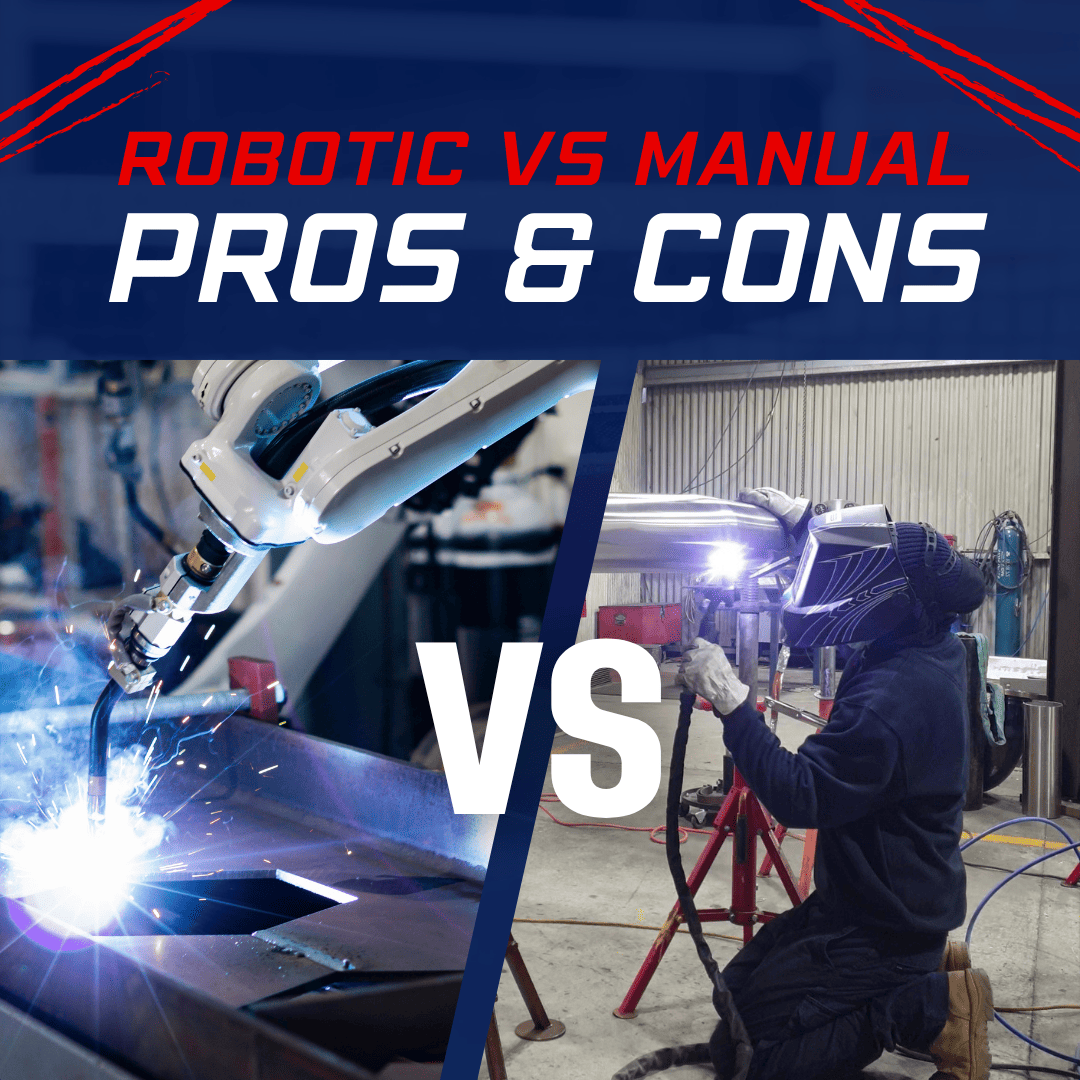
Robotic Welding vs Manual Welding

Comparing Robotic and Manual Welding for Metal Fabrication

When it comes to metal fabrication, robotic welding and manual welding each have their own advantages and challenges. Choosing between them depends on your specific needs, the scale of your project, and your shop’s capabilities. This comparison of robotic vs manual welding aims to guide your decision. 

Robotic vs manual welding: Understand the difference

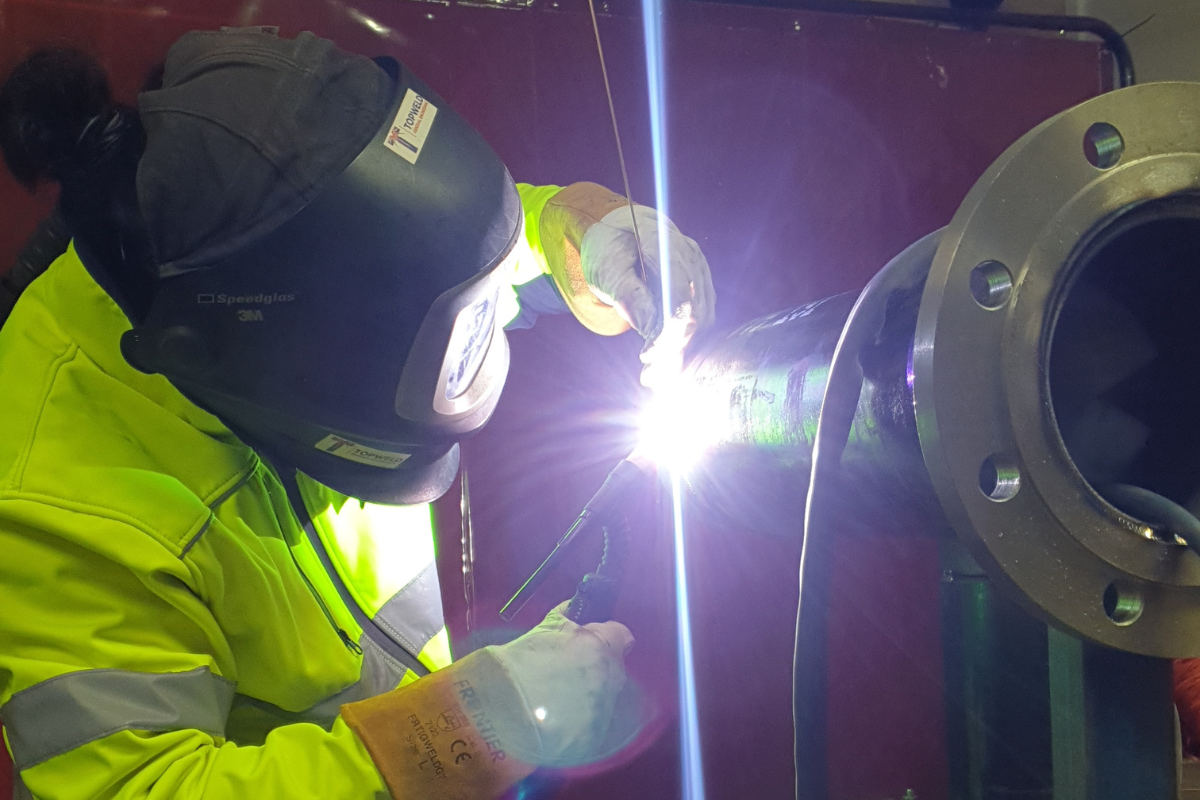
Robotic welding is an automated process, typically suited for large-scale production environments, like automotive manufacturing. It can be fully or semi-automated, sometimes needing human help to load or unload materials. Manual welding, done entirely by skilled workers, is better for custom or smaller jobs requiring precision and craftsmanship.

Advantages & Challenges of Robotic Welding

Advantages of Robotic WElding System

Superior Reproducibility: Achieves unparalleled weld consistency, bear uniformity, and penetration control across high volumes.

Accelerated Throughput & Enhanced Safety: Significantly boosts production rates while minimizing human exposure to hazardous welding fumes and arc flash.

Optimized material utilization: Precise programming drastically reduces material waste and rework rates, leading to higher yield.

Reduced Variable Labor Costs: Lowers per-unit labor expenditure, particularly beneficial for long-term, high-volume contracts.

Strategic Considerations for Robotic welding

Substantial Capital Outlay: requires significant initial investment in robotics, specialized fixturing, and programming.

Limited Adaptability for Customization: Optimal for repetitive tasks; re-tooling and reprogramming for varied geometries can incur substantial downtime and cost.

System Vulnerability: Production lines can experience significant interruptions in the event of equipment malfunction or software issues.

Advantages & Challenges of Manual Welding

Advantages of Manual Welding Expertise

Unrivaled detail & Aesthetic Finish: Certified welders deliver intricate, high-quality finishes crucial for visual appeal or complex joint requirements.

Exceptional Agility & Versatility: Adapts seamlessly to unique project geometries, low-volume production, and prototype development without extensive re-tooling.

On-the-Fly Problem Resolution: Human judgement allows for immediate identification and correction of material inconsistencies or unexpected welding conditions.

Flexible Resource Deployment: Workforce can be rapidly re-tasked across diverse projects based on evolving production priorities.

Strategic considerationss for manual welding

Variable Production Pace: Inherent human limitations result in slower throughput compared to automated systems, less suitable for mass production.

Reproducibility Challenges: Achieving perfect, identical welds across large batches can be difficult, leading to minor cosmetic or structural variations.

Operational Risk Factors: Involves direct human exposure to welding hazards, necessitating stringent safety protocols and continuous training investments.

The choice between robotic and manual welding is a critical strategic decision impacting your project’s cost-effectiveness, quality benchmarks, and delivery timelines. A nuanced understanding of each method’s strengths and limitations is paramount to project success. 

Ready to optimize your next fabrication project with the ideal welding solutions? Contact Topweld Today to discuss your specific requirements with our expertise engineering team.

Contact Us
Contact Us

Reasons Why Stainless Steel Sheet Metal Fabrication is Ideal for the Food Industry

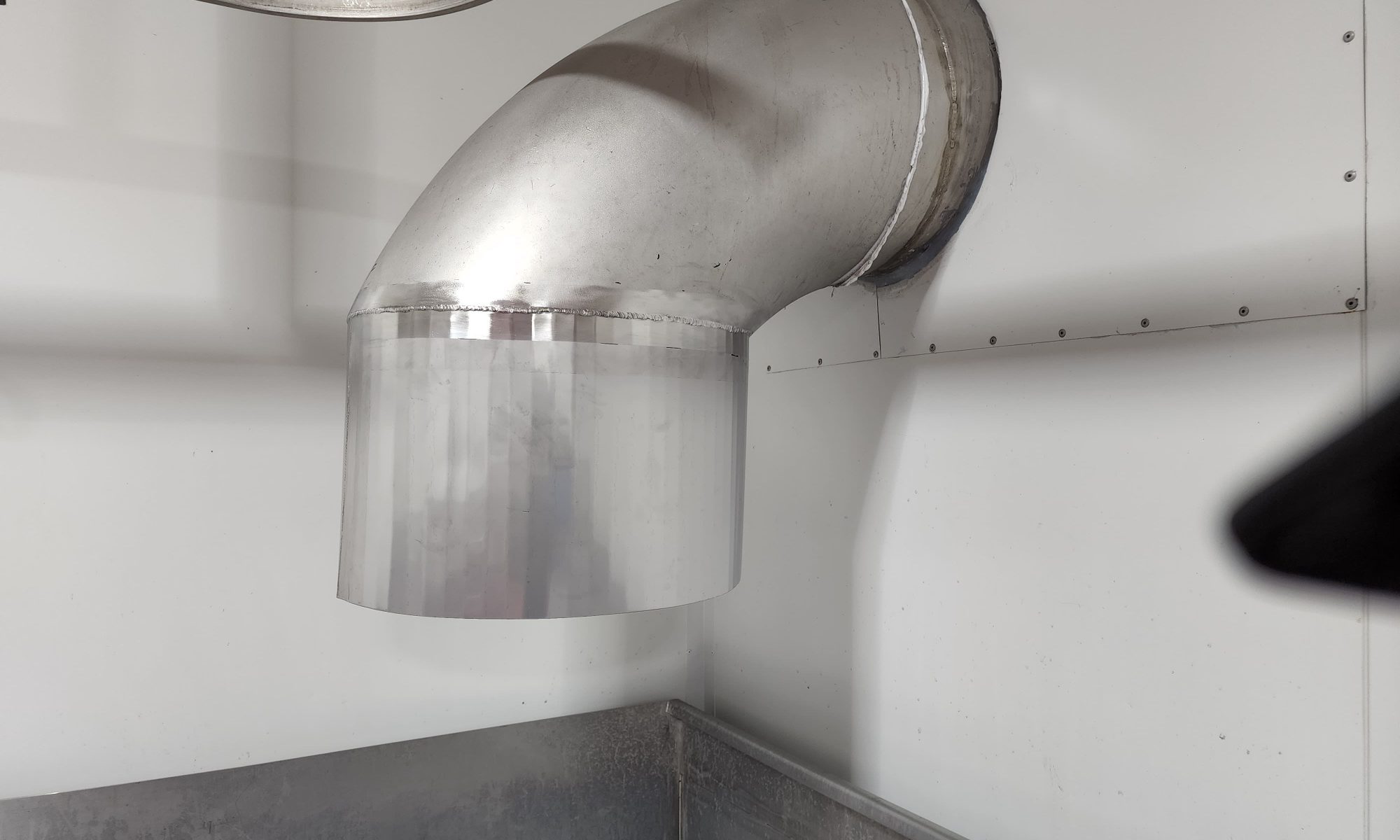
Stainless Steel Chute

Stainless steel sheet metal is widely used by fabricators around the world to create parts and components for various industries including construction, aerospace, automotive, medical, and marine. However, one sector that relies particularly heavily on stainless steel fabrication is the food and beverage industry.

In fact, over 30% of stainless steel production is dedicated to manufacturing equipment and processing systems for food and beverage applications.

Stainless steel refers to a group of steels known primarily for their resistance to corrosion. This resistance comes from the addition of at least 10.5% chromium to the alloy, which forms a protective oxide layer on the steel’s surface—making it up to 200 times more resistant to corrosion compared to steel without chromium.

But corrosion resistance isn’t the only reason stainless steel is a preferred choice for food-related equipment. Let’s explore five key benefits of using stainless steel sheet metal fabrication in the food industry:

1. Food-Grade Safety

The main reason stainless steel is favoured in the food sector is its natural corrosion resistance. The chromium oxide layer on its surface ensures it is nonporous and hygienic. Food-grade stainless steel typically contains high levels of chromium (16–18%) and nickel (8–10%), enhancing its biocompatibility and making it safe for contact with a variety of food and drink products. Austenitic grades 304 and 316 are especially common in food processing due to their superior chromium content.

2. Excellent Mechanical Properties

Stainless steel offers numerous mechanical advantages suitable for food industry applications. It is strong and durable, withstands both high and low temperatures, and is easy to shape and fabricate. Additionally, it requires minimal maintenance, is long-lasting, and presents a clean, attractive finish—all of which make it highly suitable for fabricating food processing equipment.

3. Preferred Material for Food Processing Equipment

Because of its hygienic qualities, stainless steel is the top choice for manufacturing food and beverage processing machinery. In Australia, this material aligns with key sanitary design standards such as the AS 1528 series for hygienic tube and fittings, which ensure cleanability, corrosion resistance, and mechanical integrity in food-grade systems. These standards support compliance with the Food Standards Code (FSANZ Chapter 3.2.3), which requires equipment to be constructed of materials that are non-toxic, smooth, and easy to clean, helping to prevent contamination and promote food safety.

4. Versatile Formability and Longevity

Stainless steel’s excellent formability and weldability allow fabricators to produce complex shapes and custom designs required by the food industry. Combined with its corrosion resistance and hygienic surfaces, stainless steel equipment can be sterilised repeatedly without losing its integrity, making it a highly reliable and durable choice.

5. Easy to Clean Surfaces

The smooth, nonporous surface of stainless steel makes it perfect for maintaining hygiene in food production. It is widely used for industrial food processing tanks, refrigeration units, sinks, countertops, and kitchenware such as cookware and cutlery. Since stainless steel doesn’t absorb flavours or germs, it can be cleaned effectively to remain safe for food contact.

To find out more about how stainless steel sheet metal fabrication can benefit your industry or about Topweld capabilities, get in touch with us today!

Ways Experienced Metal Fabricators Can Help You Cut Costs

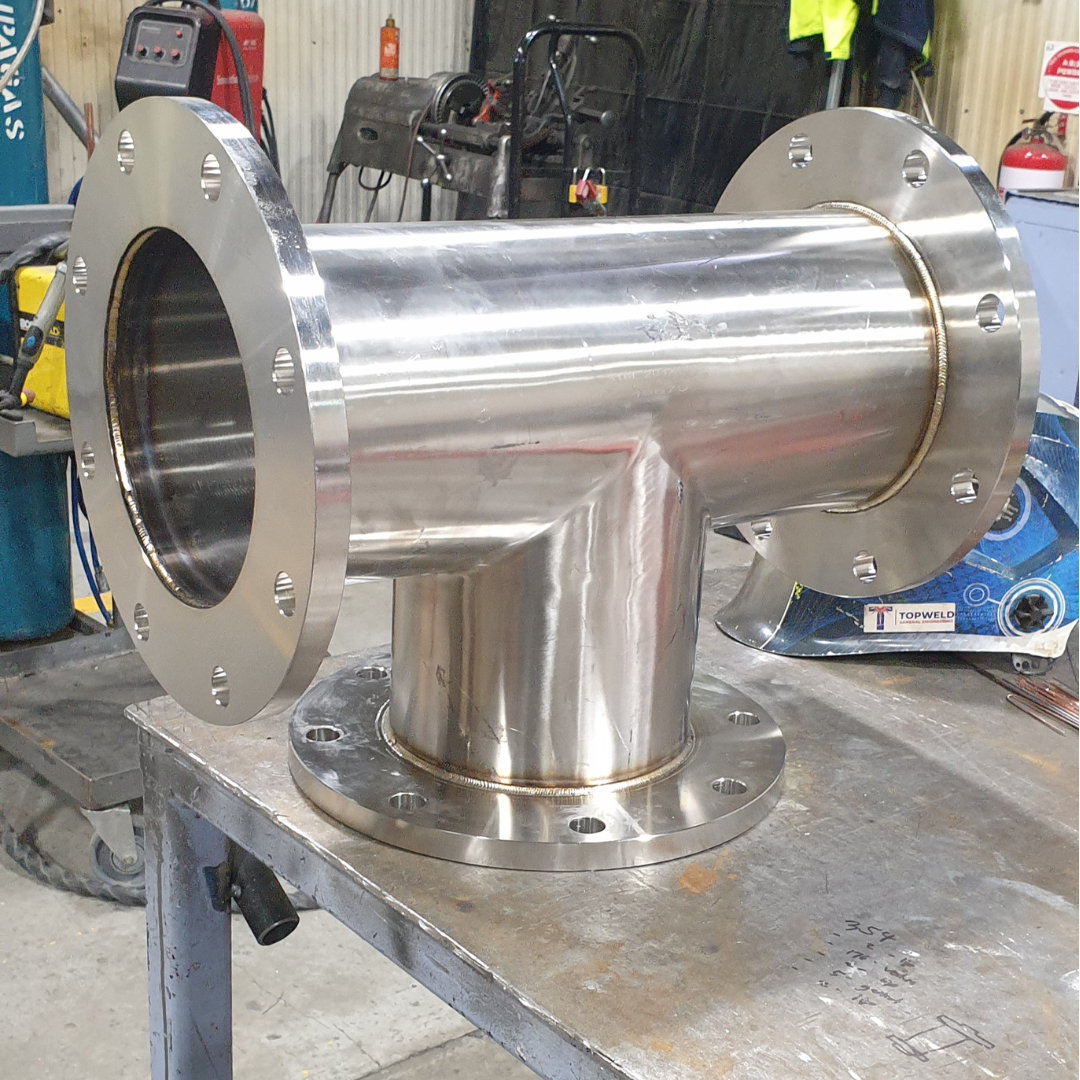
Carbon metal fabrication

Cut Costs in Metal Fabrication: 5 Ways Experts Save You Money

Partnering with a professional metal fabrication shop doesn’t just deliver quality results—it can also help you save money across your project. Even when working with a tighter budget, experienced fabricators know how to provide cost-effective solutions without compromising standards. From smart material choices to streamlined production, here are five practical ways working with seasoned metal professionals can reduce your overall project costs.

1. End-to-End Efficiency to Cut Costs in Metal Fabrication

Metal fabrication involves multiple detailed steps, from design through to final assembly. Choosing a fabricator that offers a full-service solution—including prototyping, manufacturing, finishing, and even custom packing—can significantly reduce the time and expense associated with managing multiple suppliers. A one-stop fabrication shop simplifies the process, shortens lead times, and ensures clear communication through a single point of contact. This not only minimizes errors and delays, but also helps keep your project on schedule and within budget.

2. Using the Right Fabrication Techniques

Fabrication isn’t a one-size-fits-all process. It involves a range of techniques—such as bending, welding, laser cutting, stamping, and more—depending on the design and materials involved. Each method plays a specific role in achieving precision and performance. Skilled fabricators know which processes are best suited for your job, helping to reduce waste, improve efficiency, and avoid unnecessary rework. Shops with modern equipment and proper tooling can perform these tasks accurately, producing higher-quality outcomes while helping to cut costs in metal fabrication.

3. Smarter Design Through Collaboration

Working with an experienced fabricator early in the design stage can have a big impact on both quality and cost. These experts often spot opportunities to simplify designs, use materials more efficiently, or refine manufacturing processes. Their practical knowledge—built from years of similar projects—can help you adjust your plans to avoid costly complications later. When fabricators and clients work together on design optimization, the result is a better product and a smoother, more economical production process.

4. Choosing the Right Material

Material selection is one of the biggest cost factors in any fabrication job. Whether you’re working with aluminum, stainless steel, mild steel, or other metals, it’s essential to match the material’s properties to the intended use. For instance, both stainless steel and aluminum offer corrosion resistance, but their price and performance vary depending on how they’re used. Lighter materials like aluminum may offer better value by volume, while stainless may be more cost-effective by weight. Selecting the right grade and thickness—especially for processes like laser cutting—can also result in noticeable savings.

5. Value-Added Extras

Some fabrication shops go the extra mile by offering services beyond manufacturing. These value-added offerings—such as custom packing, crating, and logistics—can help you save on labor and freight costs. A fabricator that handles your packing and shipping ensures your products are protected during transport, and can even help streamline delivery planning and coordination. These extras can make a big difference in both cost control and customer satisfaction. Such comprehensive services are a strategic way to cut costs in metal fabrication.

Need help making your next fabrication project more cost-effective?

Reach out to Topweld to learn how our experience, equipment, and end-to-end capabilities can help you save money—without cutting corners.

Simple Ways to Improve Your Custom Metal Fabrication Design

Metal fabrication Design Drawing

Smart Strategies to Improve Metal Fabrication Design Today

Every custom metal fabrication project starts with a good design. This design acts like a roadmap—it shows how your idea will be turned into a real product. When your design is clear and well thought out, it helps everything go smoother: production becomes more efficient, the final result is higher quality, and you can often save time and money. Below are six practical tips to help you improve metal fabrication design and bring your project to life successfully.

1. Work with Experienced Fabricators

One of the smartest moves is to team up with a metal fabrOne of the smartest moves is to team up with a metal fabrication shop that knows what they’re doing. A shop with a solid track record can guide you through material choices, suggest better design solutions, and help you avoid common mistakes. They’ve likely worked on projects like yours before, so their feedback can make a big difference.ication shop that knows what they’re doing. A shop with a solid track record can guide you through material choices, suggest better design solutions, and help you avoid common mistakes. They’ve likely worked on projects like yours before, so their feedback can make a big difference.

2. Be Clear About the Details

If you’re asking for a quote, make sure you provide all the important details. Include exact sizes, measurements, material type and thickness, how it should be built, and even things like how many fasteners are needed. The more specific you are, the easier it is for the fabricator to understand your needs and give you an accurate estimate.

3. Make Sure Your Design Is Complete

Think of your design as your project’s master plan. If it’s missing key information, it could cause delays or extra costs. Try to include technical drawings, specifications, timelines, and contact details for the person managing the project. A complete and organised design helps everything move forward more smoothly.

4. Test the Design First

Before moving into full production, it’s a good idea to test your design with a prototype. This helps confirm that the part or product works as expected and performs well under real conditions. You can start with 3D models, then move to a physical prototype if needed. This step gives you a chance to make improvements before large-scale manufacturing begins.

5. Pick the Right Material

The material you choose can make or break your project. It needs to handle the job it’s meant for—whether that’s strength, durability, corrosion resistance, or something else. Since materials are a big part of your budget, choosing the right one matters. Your fabricator can help you select a material that fits both your design needs and your budget.

6. Stick with One Fabrication Partner

Choosing one reliable fabrication shop to handle everything—from prototyping to final production—can make the whole process simpler and more efficient. A full-service partner like Topweld can help you make design improvements early on and carry them through to a finished, high-quality product.

By putting these six simple tips into practice, you’re not just creating a design; you’re building a foundation for success. A great metal fabrication project isn’t just about what you build, but how you plan for it. From working with an experienced fabricator who understands your vision to making sure every detail is crystal clear, each step helps improve metal fabrication design, smooth out the process, prevent costly surprises, and ultimately deliver a product that exceeds your expectations.

Need help with your metal fabrication project?

Reach out to Topweld to find out how we can help you turn your design into reality—faster, better, and with fewer surprises along the way.