Technical Processes for Fabricating Stainless Steel

Stainless steel is one of the most versatile and widely used materials in modern fabrication. Its durability, corrosion resistance, and hygienic properties make it essential in industries such as food and beverage, pharmaceuticals, energy, construction, and manufacturing. However, achieving precise results with stainless steel requires a series of technical processes that demand skill, accuracy, and adherence to industry regulations.

In this article, we explore the key technical processes for fabricating stainless steel, highlighting each stage and its importance in ensuring a high-quality finished product.

1. Cutting and Preparation

The fabrication process begins with cutting stainless steel sheets, plates, or bars into the required sizes and shapes. Several cutting methods are commonly used:

  • Laser cutting for precision and clean edges.
  • Plasma cutting for thicker materials and faster production.
  • Water jet cutting for high accuracy without generating heat that could alter material properties.
  • Mechanical cutting such as sawing or shearing for straightforward applications.

Proper preparation is equally important — edges must be cleaned and smoothed to prevent contamination or defects in later stages. This preparation ensures efficiency in welding, forming, and assembly.

2. Forming and Shaping

Once the stainless steel is cut, it must be shaped into the required configuration. This involves several processes, including:

  • Press braking to bend stainless steel sheets into angles and channels.
  • Rolling to produce cylindrical components like pipes, tanks, and vessels.
  • Stamping and punching for producing complex parts with holes or embossing.
  • Forging for shaping under high pressure, improving strength and grain structure.

These forming techniques allow fabricators to achieve precise geometries while preserving stainless steel’s strength and finish.

3. Machining and Drilling

For components that require exact dimensions or intricate details, machining is essential. Using CNC (Computer Numerical Control) machines, fabricators can achieve tight tolerances and repeatability. Common machining processes include:

  • Turning to produce cylindrical shapes.
  • Milling for slots, grooves, and flat surfaces.
  • Drilling for precision holes.
  • Grinding to achieve smooth surfaces and accurate dimensions.

Machining stainless steel requires specialized tooling to handle the material’s toughness and reduce wear on cutting tools.

4. Welding Stainless Steel

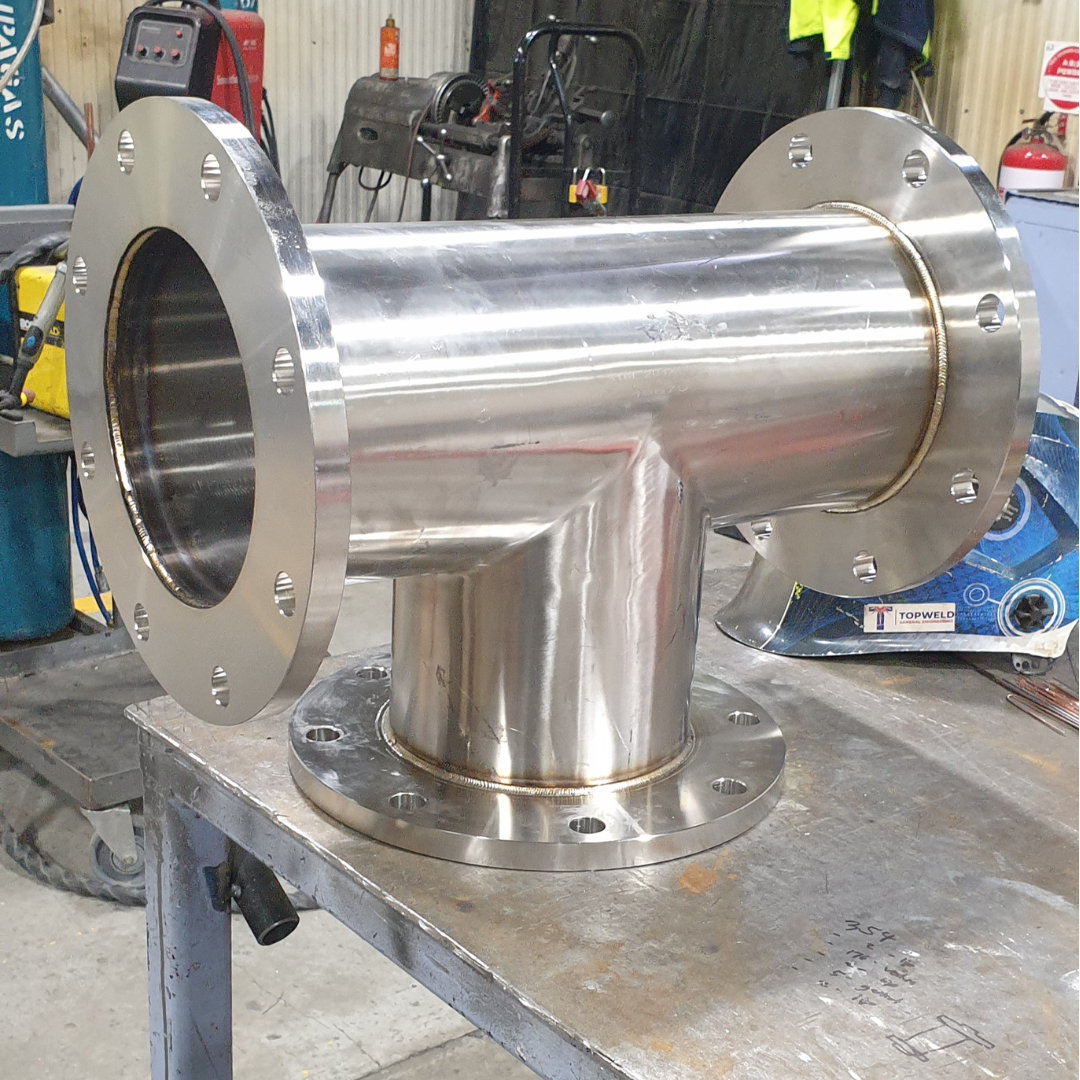
Welding is one of the most critical technical processes in stainless steel fabrication. Skilled welders use a variety of techniques depending on the application, such as:

  • TIG welding (Gas Tungsten Arc Welding) for high precision and clean welds, especially in food-grade or sanitary applications.
  • MIG welding (Gas Metal Arc Welding) for efficiency in larger projects.
  • Stick welding (Shielded Metal Arc Welding) for heavy-duty or structural applications.

The key challenge in welding stainless steel is preventing warping and maintaining corrosion resistance. Proper heat control, shielding gases, and post-weld cleaning are vital to preserving the integrity of the material.

5. Surface Finishing

Stainless steel often requires surface finishing to enhance both performance and appearance. Common finishes include:

  • Polishing and brushing for aesthetic appeal and ease of cleaning.
  • Passivation to restore the chromium oxide layer, improving corrosion resistance.
  • Powder coating or painting when additional protective or decorative layers are required.

Finishing not only improves the look of stainless steel products but also increases their longevity in harsh environments.

6. Inspection and Quality Control

Every stainless steel fabrication project must undergo rigorous inspection and quality control. This involves:

  • Dimensional checks to ensure accuracy and compliance with specifications.
  • Weld inspections for defects such as cracks, porosity, or lack of fusion.
  • Surface examinations to confirm cleanliness and finish quality.
  • Load or pressure testing when required, particularly for tanks, vessels, or structural components.

Adhering to industry regulations and Australian compliance requirements ensures that all fabricated products are safe, reliable, and fit for purpose.

Conclusion

The technical processes for fabricating stainless steel involve much more than simply cutting and welding. From preparation and forming through to machining, welding, finishing, and inspection, each stage requires expertise, advanced equipment, and strict compliance with safety and quality standards.

At Topweld General Engineering, we combine skill, precision, and industry knowledge to deliver stainless steel fabrication projects that meet the highest benchmarks. Whether you need custom tanks, structural frameworks, or industrial components, our team is ready to provide solutions that are durable, hygienic, and built to last.
6 Industry Applications of Stainless Steel Fabrication

When it comes to custom fabrication, the strength and safety of the finished product depend not just on skilled workmanship but also on systematic oversight. A quality control (QC) system ensures that every stage of the fabrication process — from material selection to final inspection — meets strict performance, compliance, and safety requirements. Without QC in place, projects risk delays, rework, and costly failures.

In this article, we outline the key reasons why businesses should hire metal fabricators with a quality control system, and what benefits this delivers to projects across various industries.

1. Food and Beverages

The food and beverage industry demands materials that prioritise hygiene, efficiency, and durability. Stainless steel is widely used because it offers:

    • Corrosion resistance, making it ideal for equipment exposed to moisture, acids, and cleaning chemicals.
    • Non-porous surfaces that prevent bacterial growth and are easy to clean.
    • Long-lasting tanks, conveyors, and pipelines that maintain food integrity.

From packaging systems to processing lines, stainless steel ensures that businesses maintain both productivity and safety. It also supports compliance with food safety regulations, allowing manufacturers to consistently deliver high-quality products. Additionally, its long service life reduces replacement costs, making it a sustainable and economical choice for food and beverage facilities.

2. Pharmaceutical and Medical Industry

In pharmaceuticals and healthcare, product purity and patient safety are non-negotiable. Stainless steel fabrication supports these needs by providing:

    • Sterile tanks and vessels for medicine production.
    • Surgical instruments and medical devices that withstand frequent sterilisation.
    • Cleanroom furniture and components designed for contamination-free environments.

Its non-reactive and hygienic properties make stainless steel the material of choice for an industry that operates under strict compliance requirements. Fabricated equipment is designed to withstand repeated cleaning and sterilisation without degrading, ensuring reliability in critical applications. This durability, combined with its resistance to chemical reactions, gives stainless steel a unique advantage in both pharmaceutical manufacturing and healthcare environments.

3. Energy and Power Generation

Energy production requires equipment that can handle extreme pressures, high temperatures, and corrosive environments. Stainless steel fabrication is applied in:

    • Boilers, heat exchangers, and turbines.
    • Pipelines and storage tanks for oil, gas, and renewables.
    • Structural components in power plants.

By using stainless steel, the energy sector ensures safety, reliability, and long-term performance under challenging conditions. Its ability to perform consistently in environments with high mechanical stress or exposure to harsh chemicals makes it indispensable. Whether in fossil fuel plants or renewable energy projects, stainless steel provides the resilience needed to keep power generation systems operating efficiently.

4. Wineries and Breweries

For wineries and breweries, stainless steel is integral to both production quality and operational hygiene. Fabricated stainless steel equipment provides:

    • Fermentation tanks and brewing vessels that prevent contamination.
    • Storage tanks that preserve taste and quality.
    • Durable piping and fittings designed for ease of cleaning.

The use of stainless steel ensures compliance with sanitation standards while maintaining the flavour and integrity of beverages. Its neutral composition prevents any unwanted reactions with wines, beers, or spirits, helping producers maintain consistency in every batch. Furthermore, stainless steel equipment is durable enough to withstand the long fermentation processes required in winemaking and brewing, offering producers a reliable investment.

5. Dairy Industry

The dairy sector requires equipment that can process milk and dairy products safely, without compromising hygiene or efficiency. Stainless steel fabrication provides:

    • Pasteurisation and processing tanks resistant to acids and cleaning agents.
    • Pipelines and fittings designed to prevent bacterial build-up.
    • Equipment with smooth, non-porous finishes that maintain product purity.

Stainless steel helps dairy producers meet strict quality and safety standards while extending the lifespan of equipment. Its resistance to corrosion from lactic acids ensures that dairy plants can operate without contamination risks. Moreover, stainless steel’s smooth surfaces simplify cleaning, reducing downtime and improving production efficiency. This combination of hygiene, durability, and performance makes it a cornerstone of modern dairy processing.

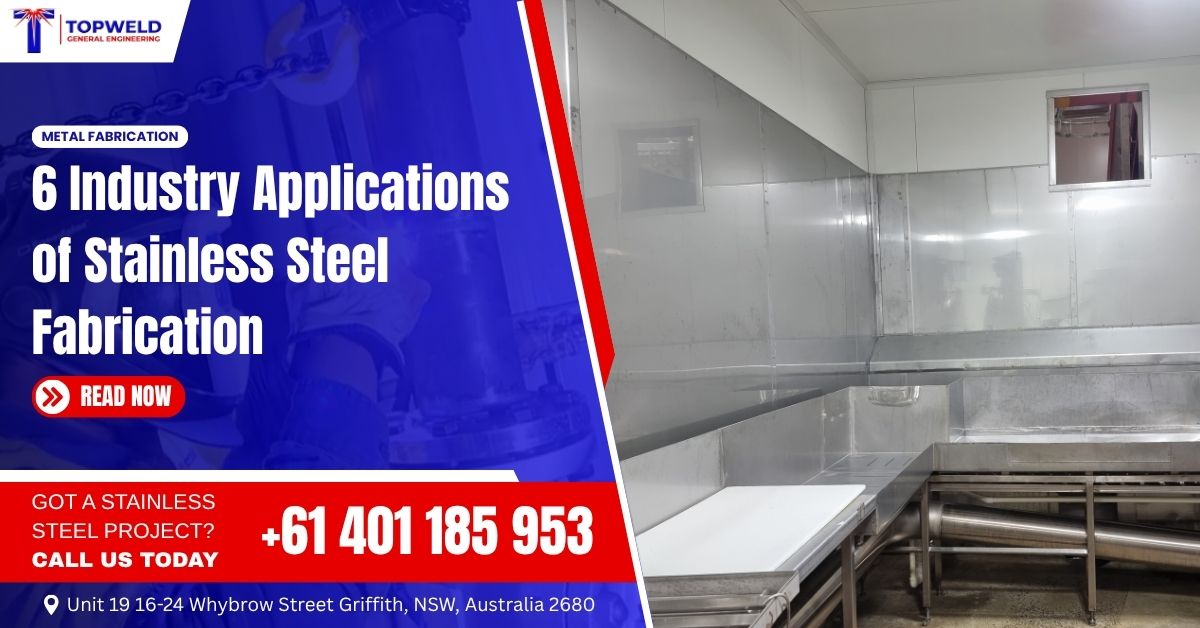
6. Abattoir and Meat Processing Industry

Abattoirs and meat processing plants face unique challenges in maintaining hygiene and operational efficiency. Stainless steel fabrication offers solutions such as:

    • Processing tables, conveyors, and equipment designed for easy cleaning and durability.
    • Custom-built tanks and storage solutions that ensure safety and efficiency.
    • Corrosion-resistant surfaces that withstand constant exposure to water, blood, and cleaning agents.

This makes stainless steel indispensable in helping the meat processing industry meet regulatory and food safety requirements. Equipment fabricated from stainless steel can endure the rigorous cleaning processes necessary in abattoirs without deteriorating. In addition, its durability supports high-volume production while maintaining strict hygiene, giving meat processors confidence in both performance and compliance.

These six industry applications of stainless steel fabrication highlight its versatility and importance across diverse sectors. Whether it’s ensuring hygiene in food and dairy processing, purity in pharmaceuticals, safety in energy generation, or compliance in abattoirs, stainless steel consistently delivers long-term value.

At Topweld General Engineering, we provide tailored stainless steel fabrication services that meet the specific needs of industries such as food and beverages, healthcare, energy, wineries, dairies, and abattoirs. Our expertise ensures every project meets quality, safety, and performance standards.

Advantages of using stainless steel for metal fabrication

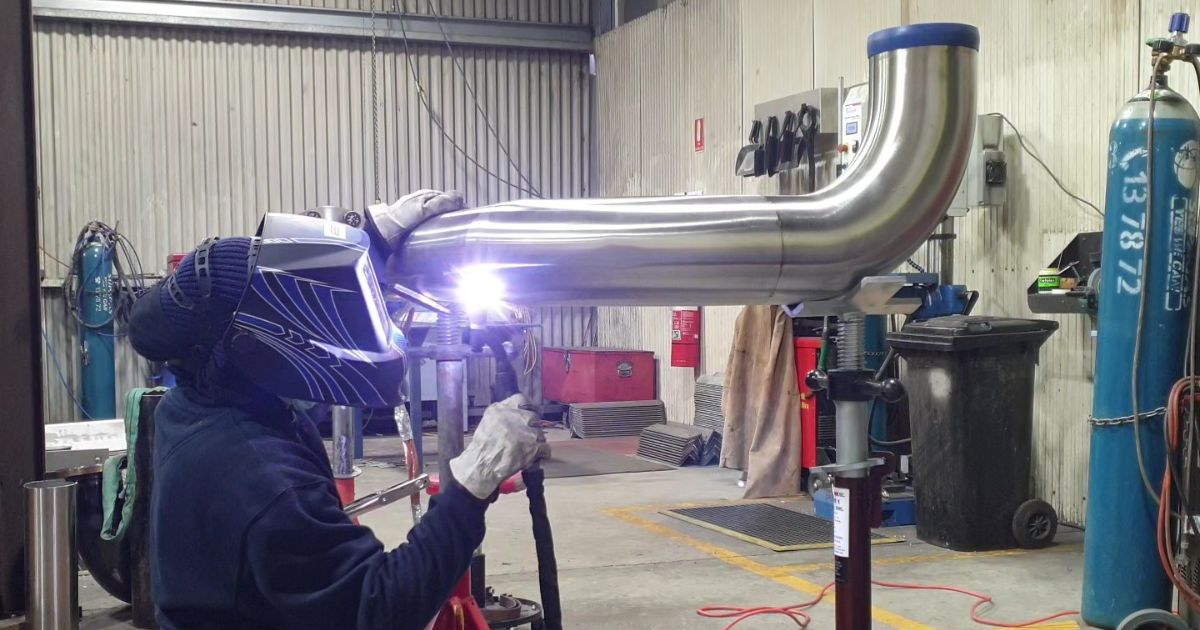
A topweld welder performing stainless steel pipeline system fabrication

Stainless steel is one of the most widely chosen materials for metal fabrication because it combines performance, longevity and aesthetic appeal. For fabricators and end users alike, the advantages of using stainless steel for metal fabrication go beyond a single benefit — they span durability, corrosion resistance, hygienic properties, ease of finishing and strong lifecycle value. This article explains those advantages in detail and helps clients understand when stainless steel is the right choice for their project.

1. Strength and long-term durability

Stainless steel offers excellent mechanical strength for its weight, giving fabricated parts high load capacity and resistance to wear. In practical terms this means frames, supports, tanks and structural components typically withstand heavy use and mechanical stress with minimal deformation. For clients, that translates to fewer replacements and lower lifecycle disruption — a critical consideration for industrial installations where downtime is costly.

2.Outstanding corrosion resistance

A defining feature of stainless steel is its natural ability to resist corrosion. A thin, self-repairing oxide layer forms on the metal surface, protecting the underlying material from rust and environmental attack. This passive layer explains why stainless steel performs reliably in wet, coastal or chemically aggressive environments. Choosing stainless steel reduces the need for frequent protective coatings and delivers longer service life in exposed applications.

3. Hygienic properties for food, pharma and healthcare

Stainless steel’s smooth, non-porous surface makes it inherently hygienic and easy to clean — ideal for food processing, beverage, pharmaceutical and medical equipment. It does not harbour bacteria in the way some porous materials can, and it withstands repeated wash-downs, sanitisation and chemical cleaners without degrading. For businesses with strict hygiene requirements, stainless steel simplifies compliance and helps maintain product safety.

4. Low maintenance and cost-effectiveness over time

While stainless steel may have a higher initial material cost compared with some alternatives, its low maintenance requirements quickly offset that difference. The minimal need for painting, re-coating or complex corrosion control reduces ongoing operating expenses. When total cost of ownership is calculated — factoring maintenance, replacement cycles and downtime — stainless steel often represents a more economical long-term solution.

5. Aesthetic versatility and finish options

Stainless steel is available in a wide range of surface finishes, from mirror polish to brushed or textured looks, allowing fabricated products to meet both functional and aesthetic briefs. The material ages gracefully and retains a professional appearance with basic care. This versatility makes it popular for architectural features, commercial fit-outs, visible plantroom equipment and consumer-facing products.

6. Fabrication flexibility — form, join and machine with confidence

Modern fabrication shops can cut, press, bend, machine and weld stainless steel reliably. It is adaptable to complex geometries and precise tolerances, enabling one-off bespoke builds as well as repeatable production runs. Weldability and compatibility with standard fabrication techniques let fabricators create strong, accurate assemblies while controlling distortion and ensuring dimensional integrity.

7. Thermal and chemical resistance where required

Stainless steel tolerates a wide temperature range and resists many chemicals, making it suitable for process plant, boilers, heat exchangers and specialised industrial equipment. Its stability under heat and resistance to chemical attack expand the range of working environments where stainless steel can be confidently specified.

8. Sustainability and recyclability

Stainless steel is highly recyclable — recovered stainless scrap can be remelted and reused without significant loss of properties. This recyclability, combined with longevity, reduces the environmental footprint of fabricated items. For businesses pursuing sustainability goals, stainless steel supports circular economy credentials and can contribute positively to procurement and reporting objectives.

8. Long-term value and return on investment (ROI)

Because stainless steel products last longer, require less upkeep and retain value over time, they often deliver better ROI than cheaper alternatives. For critical assets — such as processing equipment, structural elements or public-facing installations — investing in stainless steel reduces lifecycle risk and offers predictable performance that supports operational planning.

9. Typical applications and industries

Stainless steel is used across many sectors because of its broad advantage set. Common applications include food and beverage processing equipment, dairy and abattoir fittings, chemical and water treatment plant, architectural and balustrade work, tanks and vessels, and bespoke commercial joinery. If your project requires hygiene, durability or exposure resistance, stainless steel is usually a strong candidate.

Choosing stainless steel — what to consider

When specifying stainless steel for fabrication, consider the environment (corrosive, coastal, chemical exposure), required surface finish, structural loads, welding and forming needs, and lifecycle expectations. Work with your fabricator to define finish requirements, tolerances and maintenance regimes so the final product meets operational and aesthetic goals without over-specifying materials or processes.

The advantages of using stainless steel for metal fabrication are compelling: durable performance, excellent corrosion resistance, hygienic surfaces, attractive finishes, fabrication flexibility and strong sustainability credentials. While initial costs may be higher than some alternatives, the material’s lifecycle benefits and reduced maintenance burden make it a smart investment for many industrial and commercial projects. For advice on whether stainless steel is right for your next fabrication project, contact Topweld General Engineering — we’ll help you select the optimal solution and deliver it to exacting quality and service standards.

Reasons Why Stainless Steel Sheet Metal Fabrication is Ideal for the Food Industry

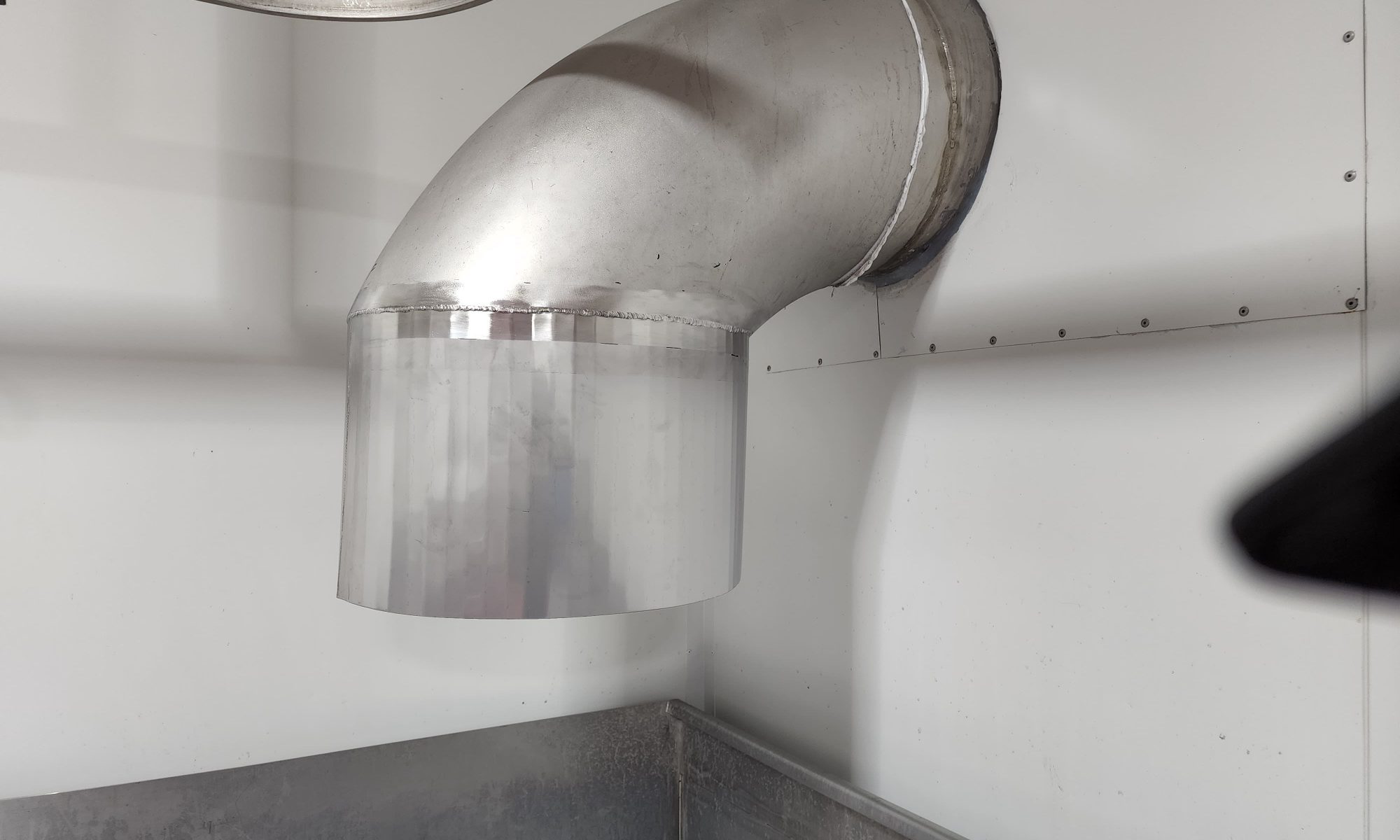
Stainless Steel Chute

Stainless steel sheet metal is widely used by fabricators around the world to create parts and components for various industries including construction, aerospace, automotive, medical, and marine. However, one sector that relies particularly heavily on stainless steel fabrication is the food and beverage industry.

In fact, over 30% of stainless steel production is dedicated to manufacturing equipment and processing systems for food and beverage applications.

Stainless steel refers to a group of steels known primarily for their resistance to corrosion. This resistance comes from the addition of at least 10.5% chromium to the alloy, which forms a protective oxide layer on the steel’s surface—making it up to 200 times more resistant to corrosion compared to steel without chromium.

But corrosion resistance isn’t the only reason stainless steel is a preferred choice for food-related equipment. Let’s explore five key benefits of using stainless steel sheet metal fabrication in the food industry:

1. Food-Grade Safety

The main reason stainless steel is favoured in the food sector is its natural corrosion resistance. The chromium oxide layer on its surface ensures it is nonporous and hygienic. Food-grade stainless steel typically contains high levels of chromium (16–18%) and nickel (8–10%), enhancing its biocompatibility and making it safe for contact with a variety of food and drink products. Austenitic grades 304 and 316 are especially common in food processing due to their superior chromium content.

2. Excellent Mechanical Properties

Stainless steel offers numerous mechanical advantages suitable for food industry applications. It is strong and durable, withstands both high and low temperatures, and is easy to shape and fabricate. Additionally, it requires minimal maintenance, is long-lasting, and presents a clean, attractive finish—all of which make it highly suitable for fabricating food processing equipment.

3. Preferred Material for Food Processing Equipment

Because of its hygienic qualities, stainless steel is the top choice for manufacturing food and beverage processing machinery. In Australia, this material aligns with key sanitary design standards such as the AS 1528 series for hygienic tube and fittings, which ensure cleanability, corrosion resistance, and mechanical integrity in food-grade systems. These standards support compliance with the Food Standards Code (FSANZ Chapter 3.2.3), which requires equipment to be constructed of materials that are non-toxic, smooth, and easy to clean, helping to prevent contamination and promote food safety.

4. Versatile Formability and Longevity

Stainless steel’s excellent formability and weldability allow fabricators to produce complex shapes and custom designs required by the food industry. Combined with its corrosion resistance and hygienic surfaces, stainless steel equipment can be sterilised repeatedly without losing its integrity, making it a highly reliable and durable choice.

5. Easy to Clean Surfaces

The smooth, nonporous surface of stainless steel makes it perfect for maintaining hygiene in food production. It is widely used for industrial food processing tanks, refrigeration units, sinks, countertops, and kitchenware such as cookware and cutlery. Since stainless steel doesn’t absorb flavours or germs, it can be cleaned effectively to remain safe for food contact.

To find out more about how stainless steel sheet metal fabrication can benefit your industry or about Topweld capabilities, get in touch with us today!

Understanding Stainless Steel Welding Without Purging

structural-steel-fabrication

Stainless steel welding is a critical process in various industries, including food processing, pharmaceuticals, and chemical manufacturing, due to its corrosion resistance, durability, and aesthetic appeal. However, welding stainless steel presents unique challenges, particularly when it comes to maintaining the metal’s integrity and preventing oxidation. One of the conventional methods to protect the weld area from oxidation is purging with an inert gas, such as argon. But what happens when purging isn’t an option? Can you still achieve a quality weld on stainless steel without purging? The answer is yes, and in this blog, we’ll explore the methods and considerations for welding stainless steel without purging.

Before diving into alternative techniques, it’s essential to understand why purging is commonly used. Purging involves displacing the air in the weld area with an inert gas, preventing oxygen and nitrogen from reacting with the molten metal. This reaction can cause discoloration, weakened welds, and corrosion susceptibility. In stainless steel welding, maintaining a clean and controlled environment is crucial to preserving the metal’s properties and ensuring a strong, durable weld.

When purging isn’t feasible, several techniques can be employed to minimize the risks associated with welding stainless steel:

  1. Use of Backing Tape or Backing Bars:
    • Backing tapes are specialized materials applied to the backside of the weld to protect it from oxidation. These tapes typically consist of a layer of adhesive and a metallic backing strip, providing a barrier against atmospheric gases. Backing bars, often made of copper, can also be used to support the weld and prevent oxygen exposure.
  2. Controlled Heat Input:
    • Managing heat input is crucial when welding without purging. Excessive heat can exacerbate oxidation, so controlling the welding parameters (such as voltage, current, and travel speed) is vital. Lowering the heat input can reduce the likelihood of discoloration and other oxidation-related issues.
  3. Use of Flux-Cored Wire or Electrodes:
    • Flux-cored wires or electrodes designed for stainless steel can provide additional protection against oxidation. The flux in these materials creates a shielding gas as it burns, helping to protect the weld pool from atmospheric contamination.
  4. TIG (GTAW) Welding with Proper Filler Material:
    • When using the Tungsten Inert Gas (TIG) welding process, selecting the right filler material is essential. High-quality filler rods designed for stainless steel can help reduce oxidation risks, even without purging. Additionally, using a larger diameter electrode can help achieve a more stable arc and better weld quality.
  5. Post-Weld Cleaning and Passivation:
    • After welding, it’s essential to clean the weld area thoroughly to remove any oxides that may have formed. Passivation, a chemical treatment that restores the stainless steel’s corrosion resistance, is also recommended. This process helps remove any free iron from the surface, ensuring the weld area remains protected against corrosion.

There are scenarios where purging might not be possible or practical. Some examples include:

  • Field Repairs: In situations where the backside of the weld is inaccessible, such as in pipes or tanks, purging might not be an option.
  • Cost Considerations: Purging can add to the cost of a welding project, particularly in large-scale operations. Eliminating the need for purging can reduce expenses while still delivering a quality weld.
  • Tight Spaces: In some cases, the workspace may be too confined to set up a proper purge system, making alternative methods necessary.

Welding stainless steel without purging is a challenge, but it’s entirely achievable with the right techniques and materials. By understanding the risks and applying the appropriate methods, welders can produce strong, clean welds that maintain the integrity and corrosion resistance of stainless steel. Whether you’re dealing with field repairs, tight spaces, or budget constraints, the ability to weld without purging opens up new possibilities for stainless steel fabrication.

In summary, while purging is a common practice in stainless steel welding, it’s not always necessary. With careful planning, attention to detail, and the use of specialized tools and materials, you can achieve excellent results without the need for purging, ensuring your projects are completed to the highest standards.