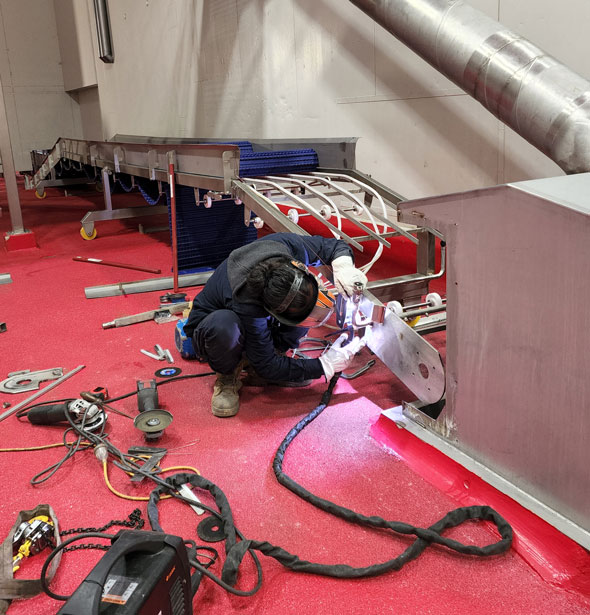
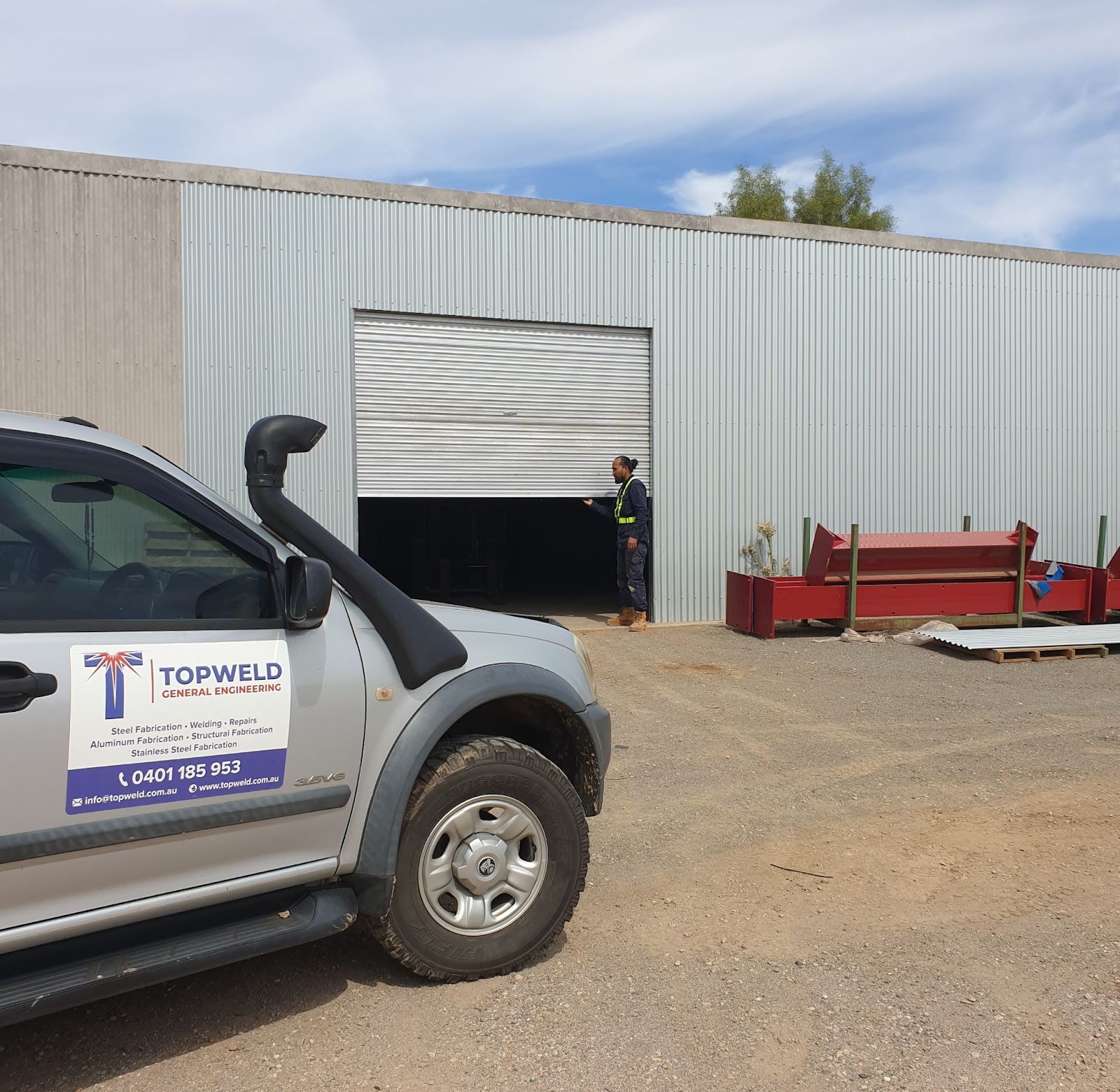
The Essential Role of Fabrication and Welding in the Dairy Industry

stainless steel pipe welding albury

Welcome to our blog! Today, we’re exploring the vital intersection between welding and the dairy industry. While it might not be the first connection that comes to mind, welding plays a crucial role in ensuring the safety, efficiency, and quality of dairy production. Whether you’re a dairy professional, a welder, or simply curious about the behind-the-scenes processes, this post is for you.

Why Welding is Essential in the Dairy Industry:

Welding is vital in the dairy industry for ensuring the strength, safety, and reliability of essential equipment like storage tanks and pipelines. It prevents leaks, contamination, and downtime, ensuring top-notch quality and efficiency in dairy production, from new equipment construction to maintenance. Here’s why welding is essential:

Durability and Safety: High-quality welding ensures that dairy equipment, such as storage tanks, pipelines, and processing machines, are robust and safe. This durability is essential for maintaining hygiene standards and preventing contamination.

Efficiency and Precision: Welding provides the precision needed to create custom solutions for dairy operations. From fitting pipelines perfectly to fabricating specialized equipment, precision welding optimizes workflow and productivity.

Maintenance and Repairs: Regular maintenance and timely repairs are crucial for the continuous operation of dairy facilities. Skilled welders can quickly address wear and tear, minimizing downtime and ensuring that production remains uninterrupted.

Our Fabrication and Welding Services for the Dairy Industry:

At Topweld, we specialize in Fabrication and Welding services tailored to meet the unique needs of the dairy industry. Our services include:

Custom Fabrication: We design and fabricate custom dairy equipment, ensuring it meets industry standards and your specific requirements. Whether you need a new storage tank or a specialized processing unit, we deliver high-quality, tailored solutions.

Pipeline Welding: Properly welded pipelines are essential for transporting milk and other dairy products safely and efficiently. Our team ensures seamless and sanitary pipeline installations and repairs.

Equipment Repairs: Our rapid repair services keep your dairy operations running smoothly. We handle everything from minor fixes to major overhauls, ensuring minimal disruption to your production schedule.

Maintenance Services: Regular maintenance is key to extending the lifespan of your equipment. We offer comprehensive maintenance services to keep your dairy machinery in top condition, preventing costly breakdowns.

Why Choose topweld?

Topweld is a leading provider of fabrication and welding services for the dairy industry, ensuring the quality and safety of custom tanks and pipelines. Their team prioritizes hygiene and precision, ensuring smooth operations and efficient operations. Topweld’s commitment to quality and fast, reliable service makes them the ideal choice for all dairy industry welding needs.

Ready to enhance your dairy operations with our fabrication and welding services? Contact us today to discuss your project. Whether you need custom fabrication, repairs, or maintenance, we’re here to help you achieve optimal efficiency and safety.

Thank you for visiting our blog and learning about the essential role of welding in the dairy industry. Stay tuned for more insights, and updates from Topweld. We’re proud to support the dairy industry with our expert welding services, ensuring quality and reliability in every weld.

LOOKING FOR dIARY INDUSTRY Welding PROJECTS?

Food grade welding

Ensuring Safety and Quality: The Importance of Food Grade Welding

In the food processing industry, maintaining high standards of hygiene and safety is paramount. Food grade welding plays a crucial role in ensuring that the equipment used in food production meets these stringent standards. This blog post explores the significance of food grade welding, the techniques involved, and how it impacts the safety and quality of food products.

What is

Food Grade Welding

Food grade welding refers to the process of welding stainless steel and other materials used in food processing equipment to create smooth, sanitary surfaces that are easy to clean and resistant to contamination. This type of welding is critical in industries where hygiene and cleanliness are essential, such as food and beverage production, pharmaceuticals, and dairy processing.

The Food Grade Welding Process

The food processing industry requires equipment that meets the highest standards of hygiene and safety. Food grade welding is a specialized process that ensures the welded joints in food processing equipment are smooth, clean, and free from contaminants. This blog post delves into the specifics of the food grade welding process, highlighting the techniques, materials, and best practices that ensure safety and quality.

Key Elements of Food Grade Welding

  1. Material Selection

    • Stainless Steel: The most commonly used material in food grade welding due to its excellent corrosion resistance and durability. Grades such as 304 and 316 are preferred because of their ability to withstand frequent cleaning and sanitizing.
    • Certified Materials: Ensure all materials used are certified for food contact and comply with industry standards like those from the FDA and USDA.
  2. Welding Techniques

    • TIG Welding (Tungsten Inert Gas): Offers high precision and control, creating clean and smooth welds with minimal contamination. Ideal for thin materials and intricate work.
    • Orbital Welding: An automated process used primarily for welding pipes and tubes. It ensures consistent, high-quality welds that are uniform and easy to clean.
    • Pulsed MIG Welding: Provides better control of heat input, reducing the risk of warping and ensuring a smooth finish. Suitable for thicker materials and large-scale production.
  3. Surface Preparation and Finishing

    • Cleaning: Thorough cleaning of surfaces before welding to remove any contaminants such as oils, dirt, and residues that could affect weld quality.
    • Polishing: Post-weld polishing to remove any imperfections and create a smooth, easy-to-clean surface.
    • Passivation: A chemical treatment that removes free iron from the stainless steel surface, enhancing its corrosion resistance.
  4. Welding Environment

    • Controlled Environment: Conducting welding in a clean, controlled environment to minimize contamination.
    • Proper Ventilation: Ensuring adequate ventilation to remove welding fumes and prevent contamination of the weld area.
  1.  

The Food Grade Welding Process Step-by-Step

  1. Design and Planning

    • Specifications: Define the specifications and standards required for the equipment, including material grades, weld quality, and surface finish.
    • Blueprints: Create detailed blueprints and welding plans that outline the weld joints, angles, and techniques to be used.
  2. Material Preparation

    • Cutting and Shaping: Precisely cut and shape the stainless steel components to the required dimensions.
    • Cleaning: Clean all components thoroughly to remove any contaminants.
  3. Welding

    • Set Up: Set up the welding equipment, ensuring that the correct parameters (current, voltage, gas flow) are configured for the material and technique.
    • Perform Welding: Execute the welding process, ensuring that welds are smooth, continuous, and free from defects such as cracks, porosity, and inclusions.
    • Inspection: Inspect the welds visually and using non-destructive testing methods to ensure they meet the required standards.
  4. Post-Weld Treatment

    • Grinding and Polishing: Grind and polish the welds to achieve a smooth finish, eliminating any rough edges or imperfections.
    • Passivation: Apply a passivation treatment to enhance corrosion resistance.
  5. Final Inspection and Testing

    • Sanitary Inspection: Perform a thorough inspection to ensure that all welds are smooth and free from crevices where bacteria could accumulate.
    • Leak Testing: Conduct pressure testing or leak testing for welded pipes and tanks to ensure integrity and safety.
  6. Certification and Compliance

    • Documentation: Document all welding processes, inspections, and tests to ensure traceability and compliance with industry standards.
    • Certification: Obtain necessary certifications from relevant authorities, such as the FDA, USDA, or ISO, to verify that the equipment meets food grade standards.

For Services like

Food Grade Welding

We use only the best materials, including stainless steel and other food grade metals, to ensure that our products are durable, long-lasting, and safe for use in the food and beverage industry. Whether you need a custom food grade tank, a new food processing line, or a simple repair, we have the experience and expertise to get the job done right.

At Topweld General Engineering, we’re committed to providing our customers with the best possible food grade welding services. Contact us today to learn more about how we can help you with your food and beverage industry needs.

LOOKING FOR Food Grade Welding PROJECT?

Wineries

Exploring the Winery Industry: From Vine to Wine

The winery industry is a fascinating blend of agriculture, science, and art. From the cultivation of grapes to the crafting of exquisite wines, wineries play a crucial role in producing some of the world’s most cherished beverages. This blog post delves into the intricacies of the winery industry, exploring the processes, challenges, and innovations that shape this vibrant sector.

What is the Winery Industry?

The winery industry encompasses all activities related to the production of wine. This includes the cultivation of grapes (viticulture), the process of turning those grapes into wine (vinification), and the packaging, distribution, and marketing of the final product. Wineries range from small boutique operations to large-scale commercial enterprises, each contributing uniquely to the diversity and richness of the wine market.

The Winemaking Process

Winemaking, or vinification, is a complex process that involves several key steps:

  1. Grape Cultivation: The journey begins in the vineyard, where grapes are grown. The quality of the grapes is influenced by factors such as soil, climate, and vineyard management practices. Different grape varieties are suited to different regions, and the choice of grape variety is crucial for the type of wine being produced.

  2. Harvesting: Grapes are harvested at the peak of ripeness, which is crucial for the quality of the wine. Harvesting can be done by hand or by machine, depending on the winery’s size and philosophy.

  3. Crushing and Pressing: Once harvested, the grapes are crushed to release their juice. For white wines, the juice is separated from the skins immediately, while for red wines, the skins remain with the juice during fermentation to impart color and tannins.

  4. Fermentation: The grape juice is fermented by adding yeast, which converts the sugars in the juice into alcohol and carbon dioxide. This process can take several days to weeks, and the conditions are carefully controlled to influence the wine’s flavor and character.

  5. Aging: After fermentation, the wine is aged to develop its flavors and complexity. Aging can occur in stainless steel tanks, oak barrels, or bottles. The length and conditions of aging vary depending on the type of wine.

  6. Bottling: Once the wine has aged to the winemaker’s satisfaction, it is filtered, if necessary, and bottled. The bottles are then labeled and prepared for distribution.

The Role of Terroir

A key concept in the winery industry is “terroir,” a French term that refers to the unique combination of soil, climate, topography, and other environmental factors that influence the characteristics of the grapes and, ultimately, the wine. Terroir plays a significant role in the distinctiveness of wines from different regions, making each bottle a reflection of its origin.

Challenges in the Winery Industry

The winery industry faces several challenges, including:

  • Climate Change: Changing weather patterns can affect grape growing conditions, potentially impacting the quality and consistency of wine.

  • Sustainability: There is increasing pressure to adopt sustainable practices in viticulture and winemaking, such as reducing water usage, minimizing chemical inputs, and managing waste.

  • Market Competition: The global wine market is highly competitive, with numerous producers vying for consumer attention. Differentiating products and building brand loyalty are ongoing challenges.

  • Regulatory Compliance: Wineries must navigate complex regulations related to production, labeling, and distribution, which can vary significantly between countries and regions.

Innovations in the Winery Industry

Despite these challenges, the winery industry is continually evolving with innovations that enhance quality, sustainability, and efficiency:

  • Precision Viticulture: Advances in technology allow for precise monitoring and management of vineyards. Tools such as drones, sensors, and satellite imagery help optimize water usage, pest control, and harvesting times.

  • Organic and Biodynamic Practices: Many wineries are adopting organic and biodynamic farming methods to produce wine more sustainably and appeal to environmentally conscious consumers.

  • Alternative Packaging: Innovations in packaging, such as lightweight bottles, boxed wine, and recyclable materials, help reduce the environmental impact of wine production and distribution.

  • Enhanced Wine Tourism: Wineries are increasingly offering immersive experiences, such as vineyard tours, wine tastings, and educational workshops, to attract visitors and build direct relationships with consumers.

The Future of the Winery Industry

The future of the winery industry looks promising, with ongoing trends towards sustainability, technological advancement, and increased consumer engagement. As climate change continues to pose challenges, wineries are likely to invest more in adaptive strategies and resilient grape varieties. Additionally, the rise of e-commerce and digital marketing will play a significant role in how wineries connect with consumers and market their products globally.

Conclusion

The winery industry is a dynamic and multifaceted sector that combines tradition with innovation. From the meticulous care of vineyards to the art and science of winemaking, every bottle of wine represents a journey from vine to table. By understanding the processes, challenges, and innovations in the winery industry, consumers can gain a deeper appreciation for the wines they enjoy and the dedication of the people who produce them.

Stay Safe During Metal Fabrication: Essential Precautions And Tips

stainless steel fabrication

Have you ever been injured by welding-induced ambers? Consider acquiring a cut through the use of equipment or tools. Cuts and bruises can occur during metal manufacturing, which is not “normal” or acceptable. Because metal fabrication is a process that involves cutting, shaping, and connecting metal to make a variety of items, from small domestic appliances to massive industrial machinery, these events are feasible. With limited expertise and experience, metal production at home is challenging because it requires the proper tools and talents. Metal fabricators exist to perform complex tasks for us, but this does not mean they are immune to cuts, bruises, and other injuries caused by working with metal. Safety precautions are required whether you own a metal fabrication business or weld at home. As you may already know, if sufficient safety measures are not in place, dangers can cause severe injury or death. Exposure to toxic gasses, chemicals, and dust can potentially result in long-term health consequences, such as respiratory disorders and cancer. The following safety precautions may assist you in avoiding risks, injuries, and even fatalities.

Regular maintenance of equipment and tools can prevent accidents and ensure that they are functioning correctly. To know more about welding and fabrication maintenance, you can visit our blog: A Comprehensive Guide To Regular Welding And Fabrication Maintenance. 

Why Should Safety Be Your Top Priority In Metal Fabrication?

In whatever we do, safety should be our top priority. Being aware of the potential dangers associated with metal fabrication and aluminum welding is necessary to ensure your safety and the safety of others. Whether you are working on a large piece of equipment or a little aluminum panel, prioritizing safety will guarantee a safe and effective metal fabrication and aluminum welding experience.

Common Health And Safety Hazards In Metal Fabrication

Eye Injuries

Various tools and equipment, including grinders, drills, and saws, can cause eye injuries in sheet metal fabrication and other metal processes. Flying metal particles, sparks, and dust can cause irritation, redness, and even blindness in employees’ eyes. Use suitable personal protection equipment, such as safety glasses or goggles, especially in custom steel fabrication.

Noise-induced hearing loss

Noise-induced hearing loss is a hearing impairment brought on by prolonged exposure to loud noise or sounds. It frequently happens in environments with high noise levels from industrial machines, such as stainless steel production plants.

Respiratory hazards

Working with metals like sheet metal fabrication can cause long-term damage to the lungs and other respiratory organs, as they are frequently exposed to harmful particles, gasses, and dust. These compounds can irritate the lungs, throat, and nose, resulting in lifelong scarring and other potentially severe health issues.

Burns

A safe aluminum weld requires tremendous attention to detail and an understanding of the required temperature and speed. Burn injuries are widespread. Thus, welders must grasp the necessary clamping and shielding techniques to reduce the danger of burn injuries.

Cuts and Punctures

Common types of damage that can occur during aluminum welding include cuts and punctures. Welding produces cuts when the metal overheats and melts, forming a divot in the metal. Punctures are produced by improper preparation of the weld region and inadequate penetration of the weld.

To ensure employee safety and prevent accidents in metal fabrication, it is crucial to follow proper safety protocols and training. Visit our blog: Do’s And Don’ts For A Safe And Perfect Weld to learn more about safe and perfect welds. Remember, taking precautions can prevent severe injuries and even fatalities, making it critical to take these hazards seriously.

Tips And Strategies For A Safe And Healthy Workplace

Clean and Organized Workplace

A clean and tidy environment benefits organizations specializing in steel manufacturing. Regularly organizing and maintaining a workstation can contribute to a more productive work environment.

A culture of safety should be encouraged.

Essential safety items must be worn. Face shields, safety glasses, and protective clothing are all necessary for performing safely in a setting involving metal manufacturing and aluminum welding. Additionally, being up-to-date on the most current safety practices and regulations and regularly reviewing safety procedures with your team is crucial.

Proper training and Orientation

When it comes to stainless steel fabrication, proper training, and orientation are vital. To produce excellent work, all employees must know the processes, machinery, and safety standards involved; therefore, all employees must be well-versed in these areas.

Conduct Machinery Maintenance

Maintaining aluminum metal fabrication equipment is crucial to the success of any business in the field. In addition to reducing the danger of equipment breakdowns and expensive repair expenditures, proper maintenance ensures that the machinery will operate effectively, efficiently, and safely.

Why Choose Topweld’s Metal Fabrication Services For Your Metal Fabrication?

TopWeld General Engineering

Topweld General Engineering offers metal fabrication services prioritizing quality, efficiency, and safety. We use high-quality materials, including nicely fabricated aluminum for welding, and employ experienced metal fabricators to ensure excellent results. Our workers use top-of-the-line equipment, and we offer a wide range of services beyond welding and cutting, including sourcing materials and complete design services. Topweld also offers competitive pricing without compromising the quality of its products, making its services accessible to businesses with varying budgets.

If you are looking for a reliable and experienced metal fabrication partner, Topweld General Engineering is a perfect choice. Contact us today to learn more about how we can help you achieve your metal fabrication goals. And, for more information on aluminum fabrication, check out our latest blog: Aluminum Fabrication: Basic Guide 2023

FAQ:

Why Is Safety In The Metal Fabrication Process Important?

In metal fabrication, safety is crucial since the process requires heavy gear, sharp tools, and high temperatures, which can cause severe injuries if the proper safety precautions are not performed. Without safety standards, employees are susceptible to cuts, burns, eye injuries, and exposure to dangerous chemicals and vapors.

What Is The Importance Of Fabrication?

The significance of fabrication rests in its capacity to transform raw materials into products that meet precise design and functional requirements. It permits customization and flexibility in the production process, enabling the creation of one-of-a-kind items that match each customer’s specific needs.

What Is The Importance Of Infrastructure Maintenance?

Infrastructure maintenance maintains the durability and functionality of fundamental assets such as highways, bridges, water and sewage systems, and public constructions. These structures must be adequately maintained to prevent accidents, guarantee public safety, and save on expensive repairs and replacements.

What Is Metal Fabrication?

Metal fabrication uses various cutting, shaping, and welding techniques to create metal structures or products from raw materials.

Why Is Welding Safety Important?

Welding involves high temperatures, flammable materials, and toxic gasses, all of which can cause severe injuries and health concerns. The essential safety procedures, including protective equipment, ventilation, and fire prevention measures, can reduce these dangers and prevent accidents.

Aluminum Fabrication: Basic Guide 2023

custom aluminum

Aluminum fabrication is the process of shaping and forming aluminum into various structures and components. This can include anything from simple aluminum extrusions to complex machinery and equipment. Aluminum is a popular choice for fabrication due to its lightweight, corrosion-resistant properties and its ability to be easily formed and machined.

Companies that specialize in metal fabrication in New South Wales or Australia in general, use a variety of methods and techniques, including welding, bending, machining, and more, to create a wide range of products and meet the specific needs of their customers.

There are a variety of different methods and techniques used in aluminum fabrication, depending on the specific application and desired end product. Some of the most common methods include:

Extrusion

This is a process in which aluminum is heated and forced through a die to create a specific shape. Extrusion is commonly used by aluminum fabricators in Victoria, such as TopWeld General Engineering, to create simple shapes such as bars, tubes, and angles.

Welding

Aluminum can be welded using a variety of techniques, including TIG, MIG, and spot welding. This is often used to join multiple pieces of aluminum together to form a larger structure or component.

Welding can be done on a variety of materials, check out this article to learn more: What Metals Are Used For Welding?

Bending

Aluminum can be bent using a variety of techniques, including press brake bending, roll bending, and tube bending. This is often used to create complex shapes and curves in aluminum.

Machining

Aluminum can be machined using a variety of techniques, including milling, turning, and drilling. This is often used to create precise and intricate parts and components.

Anodizing

Anodizing is an electrochemical process used to increase the thickness of the natural oxide layer on the surface of aluminum. This can provide improved corrosion resistance and a more durable finish.

One of the major advantages of aluminum fabrication is its lightweight properties. Aluminum is about one-third the weight of steel, making it much easier to handle and transport. This can make it a more cost-effective option for certain applications, as it can reduce the need for heavy equipment and special handling.

Another advantage of hiring an aluminum fabricator in NSW is its corrosion resistance. Aluminum forms a natural oxide layer on its surface that helps to protect it from corrosion. This means that aluminum structures and components can last longer and require less maintenance than those made from other materials.

Aluminum fabrication also offers a high level of design flexibility. It can be formed and shaped into a wide variety of shapes and sizes, and it can also be easily machined and finished to create precise and intricate parts and components.

In addition, aluminum is a recyclable material, which can be melted down and reused to make new products. This can help to reduce waste and the environmental impact of manufacturing.

Some of the industries that commonly use aluminum fabrication include construction, transportation, and manufacturing. Aluminum is used to create everything from simple extrusions to complex machinery and equipment. Some examples include:

Construction

Aluminum is often used in the construction industry to create building components such as window frames, door frames, and curtain wall systems.

Transportation

Aluminum is commonly used in the transportation industry to create lightweight and fuel-efficient vehicles. This can include everything from cars and trucks to airplanes and trains.

Manufacturing

Aluminum is used in the manufacturing industry to create a wide variety of products, including machinery and equipment, consumer electronics, and household appliances.

Overall, aluminum fabrication offers a range of benefits, including lightweight properties, corrosion resistance, design flexibility, and recyclability. It is commonly used in a variety of industries, including construction, transportation, and manufacturing, to create a wide range of structures and components.

Regular welding and maintenance are important aspects to consider when working with aluminum fabrication. Proper welding techniques and regular maintenance can ensure that aluminum structures and components remain strong, durable, and reliable over time. Read here to learn more: A Comprehensive Guide To Regular Welding And Fabrication Maintenance