The Complete Guide to Stainless Steel Storage Tanks: Why They’re the Best Investment for Your Business

Welcome to the world of stainless-steel storage tanks! When it comes to protecting your valuable products, these tanks stand out as the premier solution. Whether you’re in the food and beverage industry, pharmaceuticals, or handling chemicals, stainless steel offers unmatched durability, hygiene, and efficiency. In this introduction, we’ll explore why stainless steel is the ideal material for storage tanks, how it ensures the safety and quality of your products, and what makes it a top choice for businesses committed to excellence. Dive in and discover how stainless-steel storage tanks can transform your operations and elevate your storage solutions.

Why is stainless steel best in building storage tanks?

Durability and Strength: Stainless steel tanks are known for their exceptional durability. They resist rust, corrosion, and extreme temperatures, making them ideal for both indoor and outdoor use. This means fewer repairs and replacements, saving you time and money in the long run.

Hygiene and Safety: For industries where cleanliness is dominant, stainless steel is a game-changer. Its non-porous surface prevents bacterial growth and contamination, ensuring that your products remain safe and high-quality. Easy-to-clean surfaces also make maintenance a breeze.

Temperature Control: Whether you need to keep contents hot or cold, stainless-steel tanks are up to the task. Their thermal conductivity helps maintain consistent temperatures, which is crucial for preserving the integrity of sensitive products.

Versatility: From food and beverage to pharmaceuticals and chemicals, stainless steel tanks can handle a wide range of applications. Their adaptability means you can use them for liquids, solids, and even under high-pressure conditions.

How to Choose the Right Tank?

Stainless steel tanks body

Selecting the right stainless-steel tank is crucial for optimizing performance and efficiency in operations. Evaluate the storage needs, choose the appropriate size and features, and ensure they meet industry

The Significant Impact of Fabrication Welding in Beekeeping Industry

In the beekeeping industry, the focus is often on the bees and their role in pollination and honey production. However, there’s another essential aspect that ensures the smooth operation of beekeeping activities: welding. At Topweld, we understand how high-quality fabrication and welding is crucial for creating and maintaining the equipment beekeepers rely on. Let’s dive into how fabrication and welding supports the beekeeping industry and why it’s required.

The Importance of Fabrication and Welding in Beekeeping

Fabrication and welding is crucial in beekeeping because it ensures the equipment used, such as stainless steel storage tanks, heat exchangers, and filtration machines, is strong and durable. This durability helps keep the equipment in top condition, withstands the demands of beekeeping, and ensures smooth, efficient operations. Welding plyas a significant role in the beekeeping industry for several reason:

Durability: Beekeeping equipment, such as stainless steel storage tanks, heat exchangers, and filtration machines, needs to be sturdy and long-lasting. Welding provides the strength and durability required to withstand the rigors of beekeeping operations.

Customization: Each beekeeper may have specific needs and preferences for their equipment. Welding allows for custom designs and modifications to create equipment that perfectly fits their requirements.

Maintenance and Repairs: Welding is essential for maintaining and repairing beekeeping equipment, ensuring that it remains in top condition and operates efficiently over time.

Our Fabrication and Welding Services for Beekeeping

Fabrication and welding services for beekeeping offer custom, durable solutions, including stainless steel storage tanks, heat exchangers, and filtration machines. Our high-quality materials ensure reliable, long-lasting equipment for hive management and honey production. At Topweld, we offer a range of welding services tailored to the needs of the beekeeping industry:

Custom Fabrication: We design and fabricate custom beekeeping equipment, including stainless steel storage tanks, heat exchangers, and filtration machines, ensuring they are built to last and meet your exact specifications.

Repairs and Maintenance: Our expert welders provide reliable repairs and maintenance for all types of beekeeping equipment, extending their lifespan and ensuring they perform at their best.

Specialized Solutions: We understand the unique challenges of beekeeping and offer specialized welding solutions to address specific issues and improve operational efficiency.

LOOKING FOR Beekeeping Welding PROJECTs?

The Impact of Quality Welding in Beekeeping

Quality welding significantly impacts beekeeping by ensuring strong and reliable equipment like storage tanks, heat exchangers, and filtration machines. Well-welded equipment lasts longer and performs better, enhancing beekeeping operations. Investing in top-notch welding provides reliable tools that support bees and improve honey production, leading to better results and fewer issues.

Why Choose Topweld?

Choose TopWeld for your fabrication and welding needs because we deliver exceptional quality and reliable results every time. Our skilled team uses top-grade materials and advanced techniques to ensure every project, from custom fabrications to repairs, is done right. With a focus on clear communication and your satisfaction, we provide solutions that are both precise and durable, making us the trusted choice for all your welding projects.

If you’re a beekeeper looking for top-notch welding fabrication services, contact us today to discuss your needs. We’re here to provide the reliable, high-quality solutions you need to keep your beekeeping operations running smoothly.

Thank you for reading about the essential connection between welding and the beekeeping industry. Stay tuned for more insights and updates from Topweld, where we’re committed to supporting beekeepers with exceptional welding services.

Do’s And Don’ts For A Safe And Perfect Weld

welding

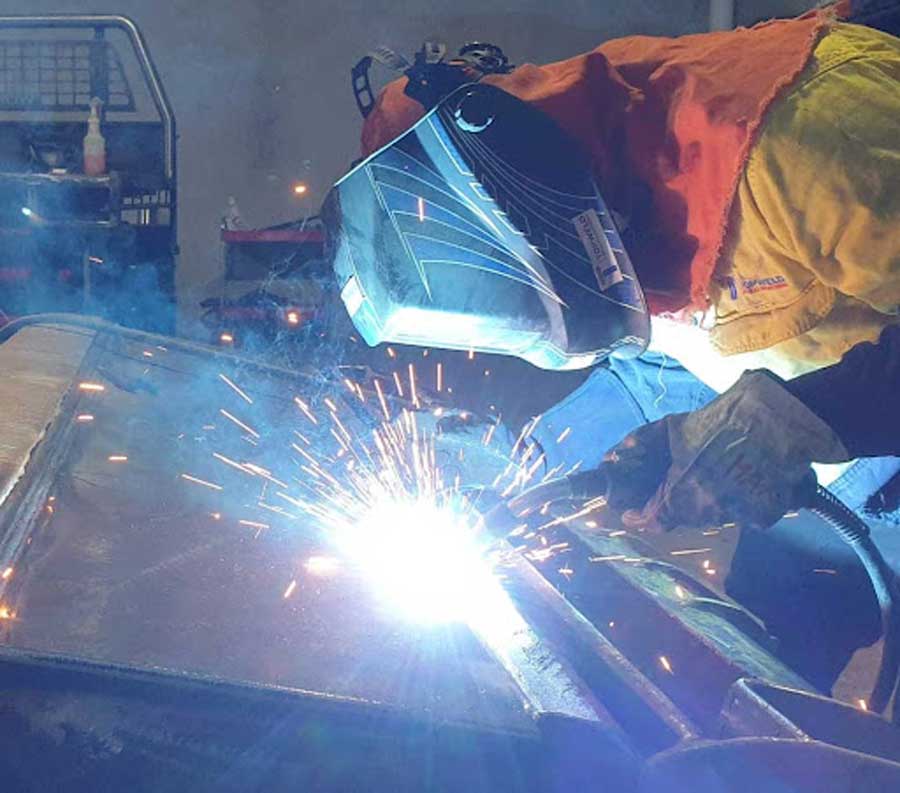
Welding and metal fabrication are practices with safety precautions that workers need to abide by in order to ensure their safety and the quality of their work. Accidents in a workshop are quite common, especially because the main equipment used for metal fabrication are those that manipulate heat and electricity. If the electrode of a welding machine can produce enough heat to melt the surface of steel and aluminum, they can very well do as much damage to the surface of your skin and other nearby objects. Injuries can range from small burns to electrocution, which can even result in death in some cases. For this reason it is imperative that you check the hazards that may be present in your station before beginning any form of work.

Topweld General Engineering is a premier metal fabrication company that provides welding services in New South Wales, Australia. In our many years of experience, we’ve identified several safety precautions that we strongly believe should be observed by all of our workers. They have been compiled in a short list of do’s and don’ts below.

DO: Clean the Workpiece and the Floor Before Working

Cleaning the workpiece metal removes contaminants that may otherwise interfere with the welding process. Rust, dirt, paint, and other substances can contribute to increased porosity, which weakens the overall durability of the weld. Some substances may also react violently to the heat, which puts the welder at risk of burns. Use a fine grit sandpaper of around 300 grit and a steel brush to clean the weld. In cases where the contaminants are especially difficult, pouring acetone can also help. It can also help reduce splatter during stick welding.

DO: Check If All of Your Welding Equipment Are in Good Condition

Conduct a visual inspection of your welding equipment for any damages, particularly the power supply and the cables attached to it. Make sure none of the cables have exposed wirings and that the plugs are all inserted into their correct sockets. You may also conduct a hands-on inspection by testing the machine on a few pieces of scrap metal. Check for any unusual noises, or other irregularities while doing so. If you notice something odd with your equipment, consult an electrician who can take a look at the machine for you. This step in welding is especially important if you are conducting sheet metal fabrication, as the material is very susceptible to burning through and warping if the voltage is incorrectly set.

DO: Wear All the Necessary Safety Equipment

The basic safety equipment a welder should wear consists of a welding helmet, welding goggles, industry-grade rubber or leather gloves, flame-resistant apron or suit, work boots, and a respirator. If you are still learning how to weld, additional safety equipment is encouraged as long as they don’t obstruct your vision or restrict your movement too much. You may also need to remove accessories like your watch as they can get damaged by the electrical discharge or molten splatter that the weld may produce. Topweld also provides stainless steel welding and fabrication in Orange, NSW, Australia, and they make sure that their welders and fabricators are in compliance to the safety regulations and knowledgeable about the safety equipment.

DO: Keep Your Welding Machine Properly Grounded

In order for you to strike an arc with your workpiece and begin welding, you need to create a complete electrical circuit with your machine and the base metals. Proper grounding ensures that the current doesn’t arc out wildly from the circuit, causing damage to other electric appliances and even putting the welder at risk of electrocution. It is widely recommended by professionals in the fabricated metal industry to keep the grounding clamp close to the area where the weld will be performed, in a clean spot with enough space to hold it firmly in place.

DON’T: Weld in an Unventilated Area

The process of welding releases different kinds of gases like carbon dioxide, carbon monoxide, and ozone into the air. These gases pose a serious respiratory health risk when enough are inhaled, or if they fill up a confined area. One such example is during stainless steel fabrication, where the process of welding stainless steel turns chromium into its hexavalent state, which is incredibly toxic when inhaled. For that reason, it is imperative that you are always working in a well-ventilated area.

DON’T: Work Without an Accessible Fire Extinguisher

Fire extinguishers are mandatory whenever you work with tools that produce extreme temperatures such as a welding machine. It is also important to remove any and all combustible materials or flammable liquids near your workstation before you begin welding because the sparks that fly off from a weld can easily ignite them. Fire can often be unpredictable when you are too engrossed in your work, so taking your time to identify potential fire hazards and remove them is always advisable.

Last but not least, DON’T: Cut Corners

Regardless of the nature of your work, whether you are conducting stainless steel or aluminum welding, sheet metal or tubing, cutting corners is never a good idea. Make sure your workstation is always in its best condition, and bring any irregularities you notice to the attention of your supervisor. A safe welding environment is certain to produce higher-quality welds, so it is never a good idea to skip out on safety just to try and get the job done faster. For professional stainless steel and aluminum fabrication solutions, contact Topweld General Engineering, where the safety of our workers and the quality of our welds go hand-in-hand in every project we work on.

Welding Fabrication Services NSW

topweld fabrication canberra

Premier Welding and Fabrication Services in New South Wales

If you’re looking for top-notch welding and fabrication services in New South Wales, you’ve come to the right place. At Topweld, we pride ourselves on delivering exceptional craftsmanship and tailored solutions for all your welding needs. Whether you’re working on a residential renovation, commercial project, or industrial application, we’ve got the skills and expertise to bring your vision to life with precision and quality.

How Topweld Can Assist with Your Welding Fabrication in New South Wales

At TopWeld, we provide top-notch welding fabrication services across New South Wales, tailored to your specific needs. Our skilled team delivers high-quality, custom metalwork, whether it’s for industrial machinery, architectural features, or essential repairs. Using the best materials and advanced techniques, we ensure every project is strong, precise, and durable. With a focus on clear communication and customer satisfaction, TopWeld is your reliable partner for all your welding fabrication needs

Our Welding Experts Are Commited to Surpassing Client Expectations

Our welding experts are dedicated to exceeding client expectations with every project. We combine years of experience, high-quality materials, and precise techniques to deliver exceptional results. Whether it’s a custom fabrication or a critical repair, we focus on your needs and ensure complete satisfaction. At TopWeld, our commitment to excellence means you can trust us to deliver durable, reliable, and beautifully crafted metalwork every time.

Comprehensive Stainless Steel Welding and Fabrication Services in New South Wales

We offer comprehensive stainless steel welding and fabrication services across New South Wales, designed to meet all your needs. Our expert team delivers high-quality custom solutions, from durable industrial components to stylish architectural features. Using top-grade materials and advanced techniques, we ensure every project is precise, strong, and reliable. Whether you need new fabrications, repairs, or maintenance, our services are tailored to provide exceptional results and complete satisfaction.

What can we do for you?

At TopWeld, we offer a wide range of services to meet your needs. Whether you need custom metalwork, precise repairs, or regular maintenance, our skilled team is here to help. We use the best materials and techniques to ensure every project is strong, reliable, and perfectly crafted. Our goal is to provide exceptional service and results that exceed your expectations.

Quality Service

TopWeld is a company known for providing exceptional service, using top-quality materials and techniques for precision and care. Their commitment to clear communication, timely completion, and exceptional craftsmanship ensures customer satisfaction, whether it’s custom fabrication or essential repairs.

Locations we Served Across New South Wales

Ready to start your welding and fabrication project in New South Wales?

Beginner’s Guide to Welding Sheet Metal

topweld-metal-sheet-welding

The steps involved in welding sheet metal are vastly different compared to thicker materials because of how easy it is to accidentally put out too much power and burn through your workpiece. On the other hand, put out little power and you will likely have trouble penetrating the material and end up with a weaker joint at the end. This generally comes down to a matter of experience and intuition, which is what makes it a difficult hurdle to overcome if you are a beginner welder and metal fabricator.

If this experience sounds familiar to you, then you’ve come to the right website. Topweld General Engineering is a team of expert metal fabricators that provide welding services in New South Wales. In our years of experience, we have some wisdom to impart that you might be very interested in.

Common Mistake in Welding Sheet Metal

Excessive heat is a common mistake when it comes to welding sheet metal. One consequence of this is burn-through. This happens when the weld pool digs too deep into the material and punches a hole through it. As you may already know, the temperature of the weld pool is based on the strength of the current. If the amperage is too high, it can cause the weld pool to become runny and harder to contain, which results in increased spater, undercut, and eventually burn-through. Another issue that may occur is warping, which is caused by focusing too much on one area of the workpiece without giving it ample time to cool down and retain its shape.

Welding Technique and Style

To avoid the complications involved in sheet metal welding, it is important that you choose the appropriate welding technique and style. Though you can still use many of the typical welding techniques that you would normally use for other workpieces, we highly recommend using either Metal Inert Gas (MIG) welding or Tungsten Inert Gas (TIG) welding. The welding transfer mode you should go for if you are using the former is Short-circuit transfer. This is done by creating a short circuit by touching the weld pool with the electrode at low heat. The filler metal should deposit carefully onto the weld pool. Use argon-based shielding gas to protect the weld pool while you work.

If you are experienced with TIG welding from Canberra, NSW, you should have an easier time controlling the penetration of your weld. That is part of the reason why aluminum fabricators generally prefer this method over the alternative. Just be careful not to focus the arc on any specific areas of the workpiece for too long in order to prevent warping. Avoid welding in a long continuous streak and instead jump from one section to another while you work. This can allow the workpiece to cool down and harden before you begin working on it again. On the topic of cooling down, you can also use chill bars to control the temperature of the workpiece.

Choosing the Filler Metal

ER70S-2 is the safest bet when it comes to choosing the filler metal for sheet metal welding.  Otherwise, silicon bronze is also viable. To make sure that you don’t end up depositing too much filler metal on your joint, we highly recommend choosing the width of filler wire or rod that is not thicker than the base metals. Keep a close eye on the gauge of the filler material you are using and compare it with the thickness of your workpiece for safe measure.

Keeping Your Workspace Clean

One factor that most beginners usually overlook when welding is the cleanliness of their work station. It cannot be emphasized enough how important it is to keep your workpiece and filler materials clean so foreign materials don’t contaminate it and cause porosity. Because of the thinness of sheet metal, the effects of welding complications are even more severe, and it could make the weld joints more brittle. Start with a fine grit sandpaper specifically made for metal to remove paint and rust off your base metal. Next, clean the corners with a wire brush, making sure to remove any impurities you see. Finally, you can use a clean rag and some acetone to wipe the workpiece.

To Conclude

Mastering the delicate work of sheet metal welding requires practice and a little bit of trial and error, so don’t be discouraged if you don’t get it right the first time. Use scrap metal for experimenting, and try to get the hang of controlling the penetration of your weld pool. The tips above will come in handy in whatever sheet metal material you work with, so be sure to consult this guide again when you want a refresher.

If you want a professional welder from Hillston to do it for you instead, don’t hesitate to call Topweld General Engineering. Our team is composed of the best aluminum and stainless steel fabricators in New South Wales, Australia. It is our mission to ensure top-quality welding services to all our valued customers.